


The Oaks - Witness to Vienna's History
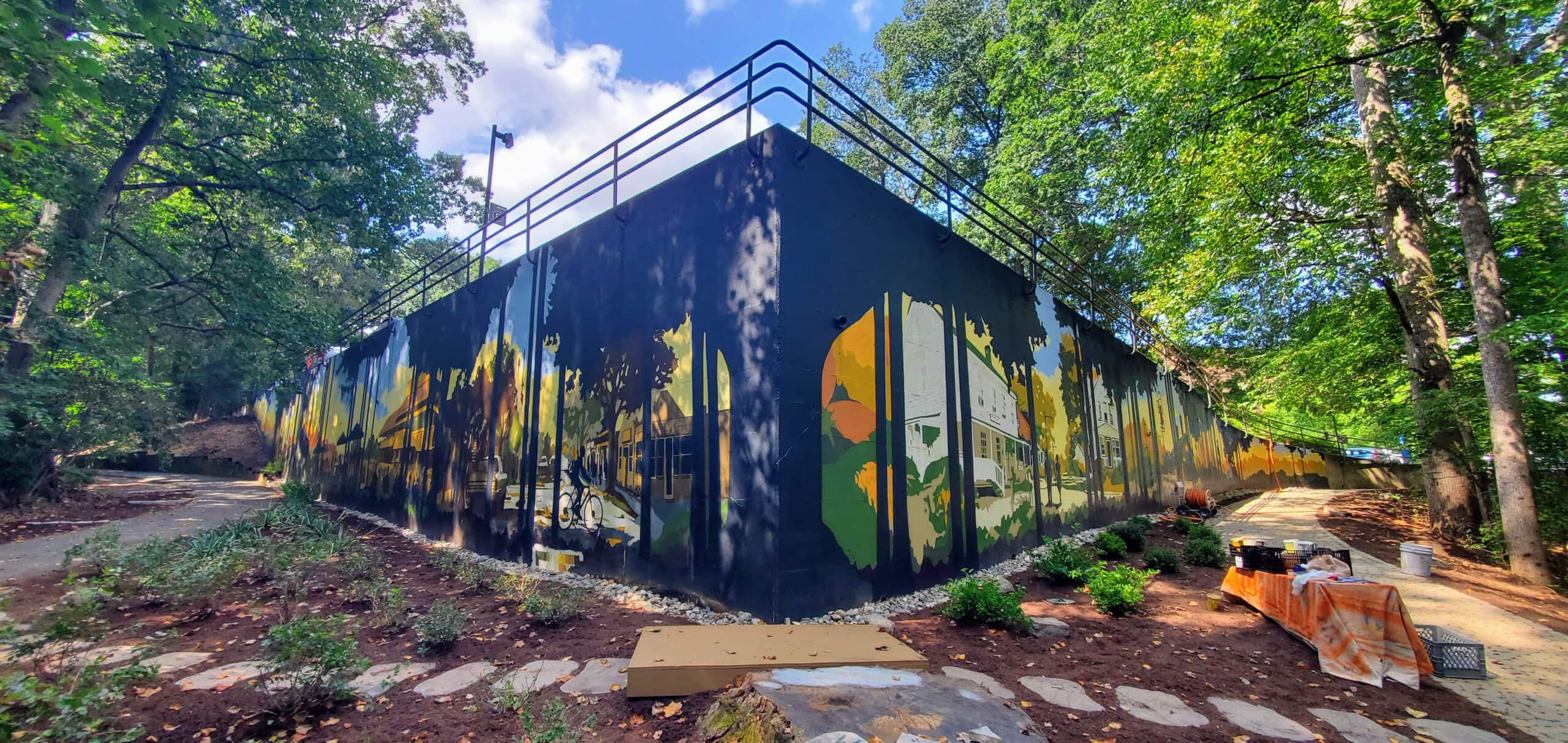
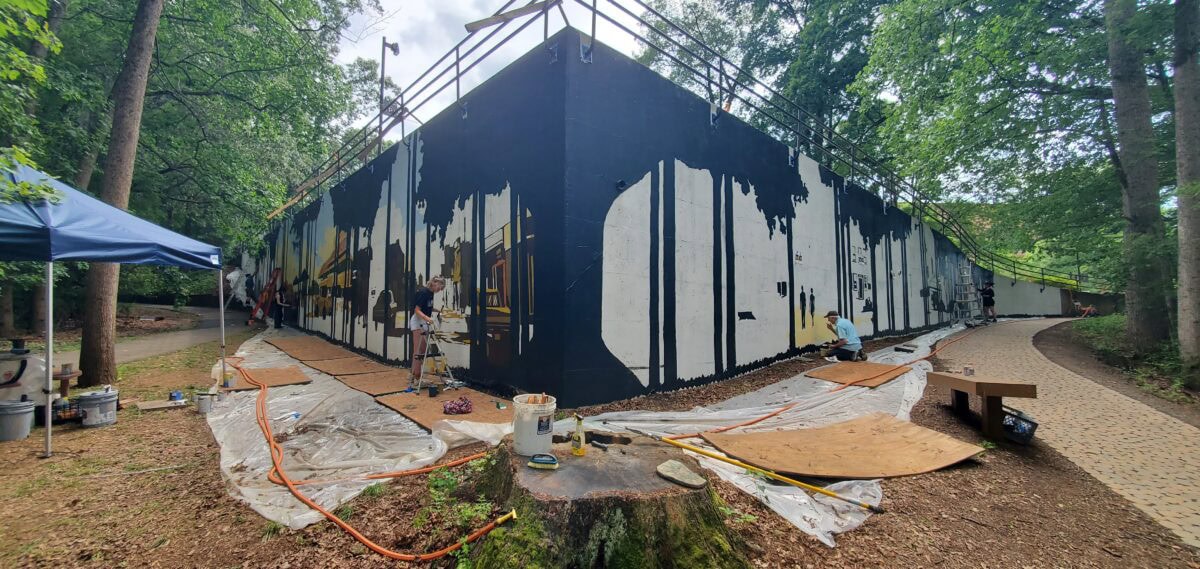
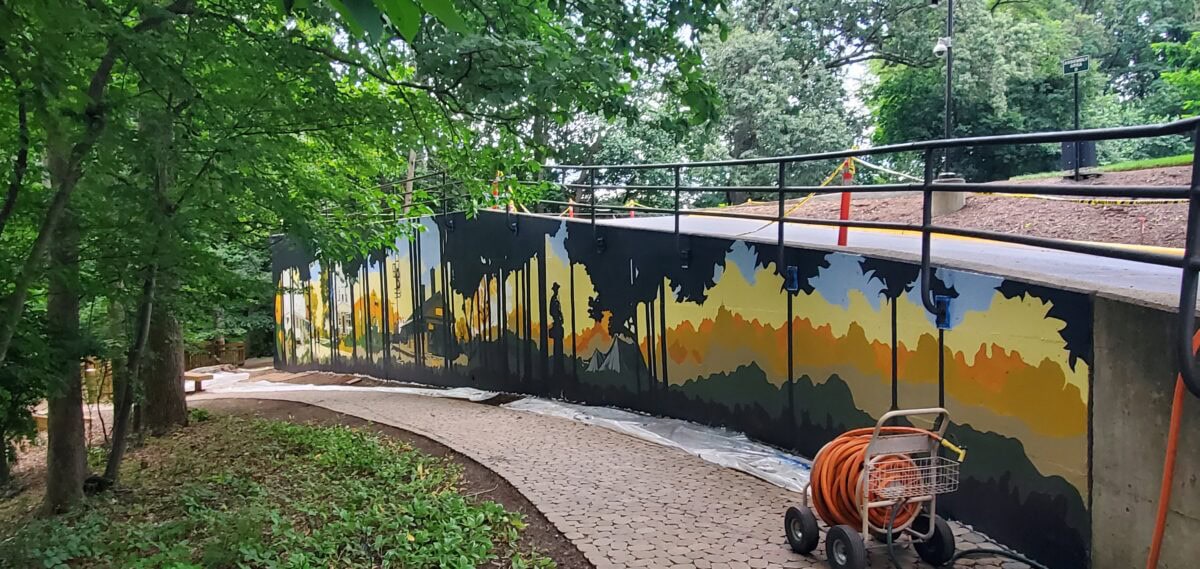
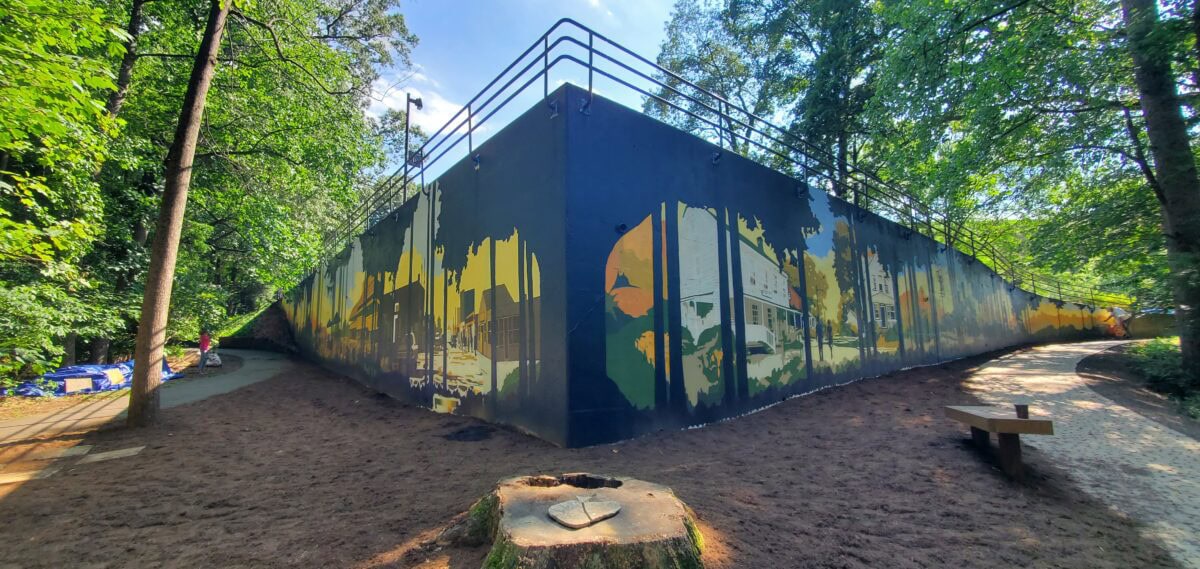
This mural tells the story of Vienna, Virginia, as witnessed through the long, quiet watch of the nearby historic red oaks—majestic sentinels that once lined a community trail and shaded its memories. Reading from right to left, the mural unfolds like pages in a living book, each chapter rooted in the rings of the now-felled 200-year-old oaks that once stood as witnesses to the passing centuries.
Civil War Era
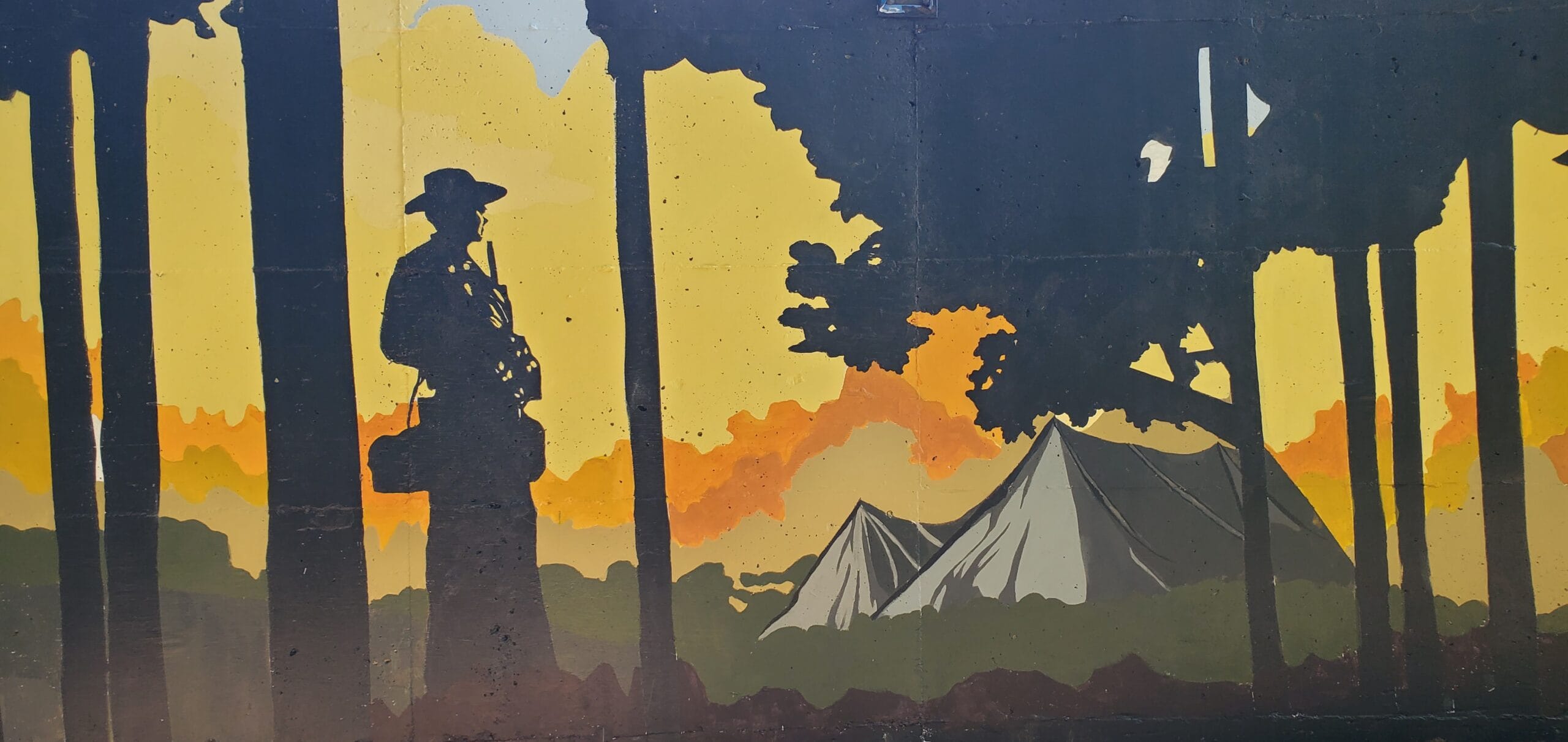
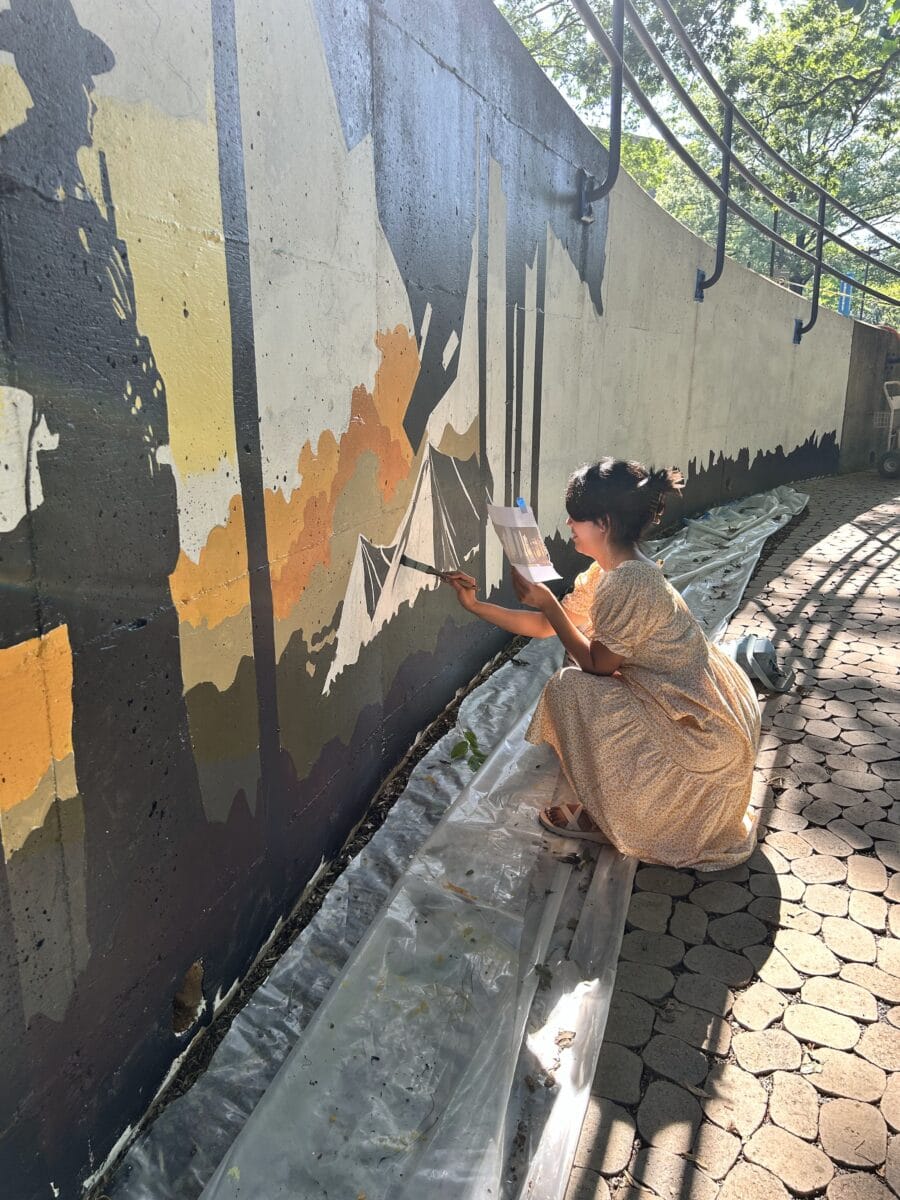
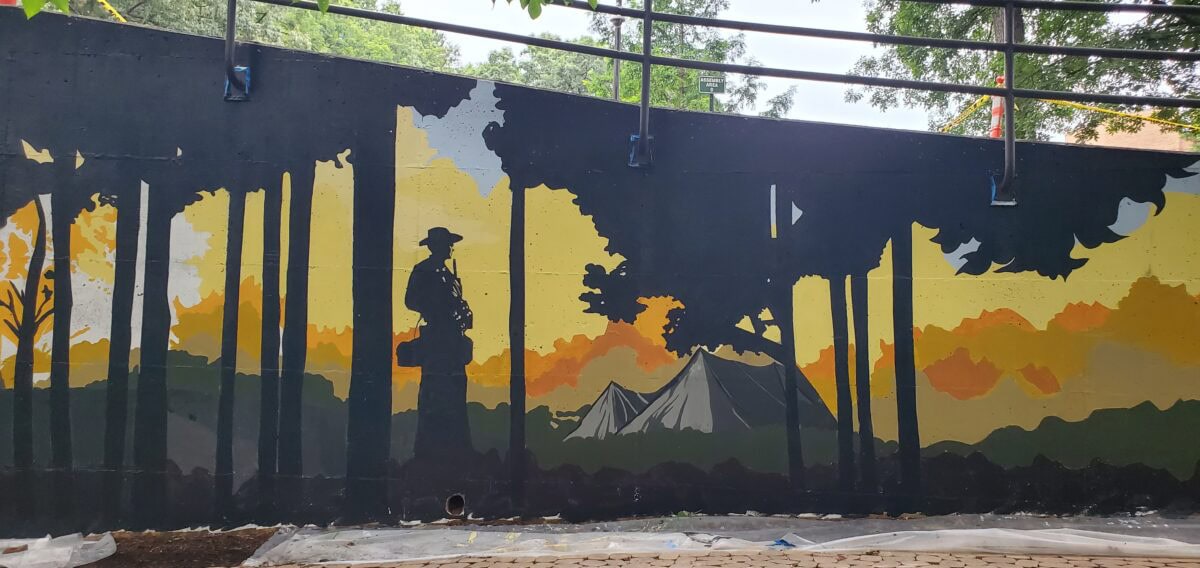
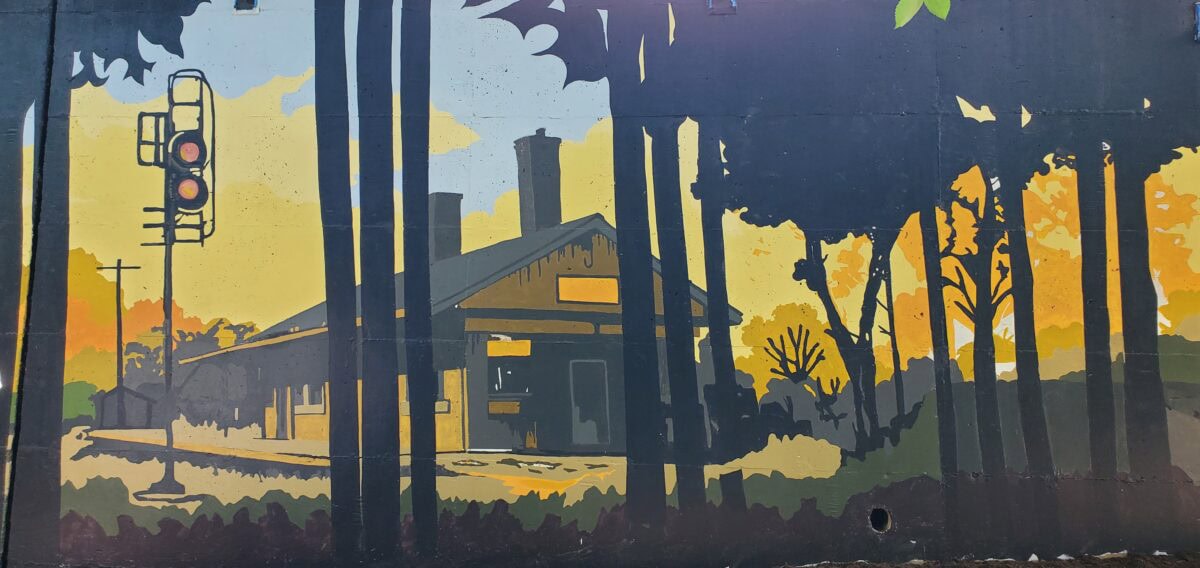
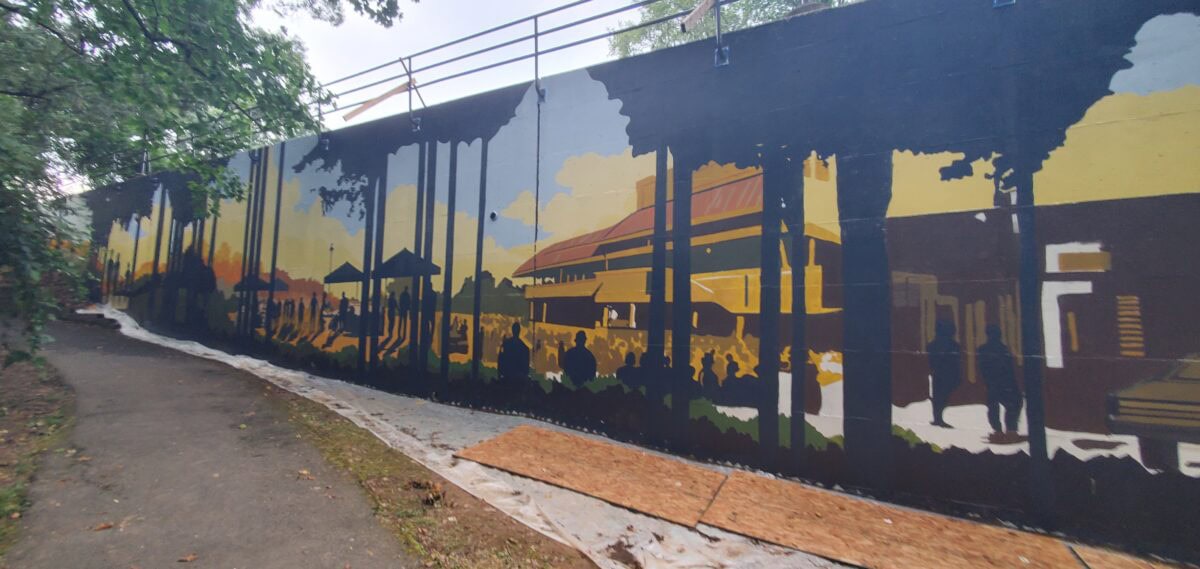
Beginning on the right, the mural opens with a vignette of the Civil War era, where soldiers have set up camp among the trees. Tent lines stretch under the canopy, lantern light flickers, and figures pause in their routines. The red oaks, already mature and towering, provide both shade and shelter—silent observers of a nation at war with itself.
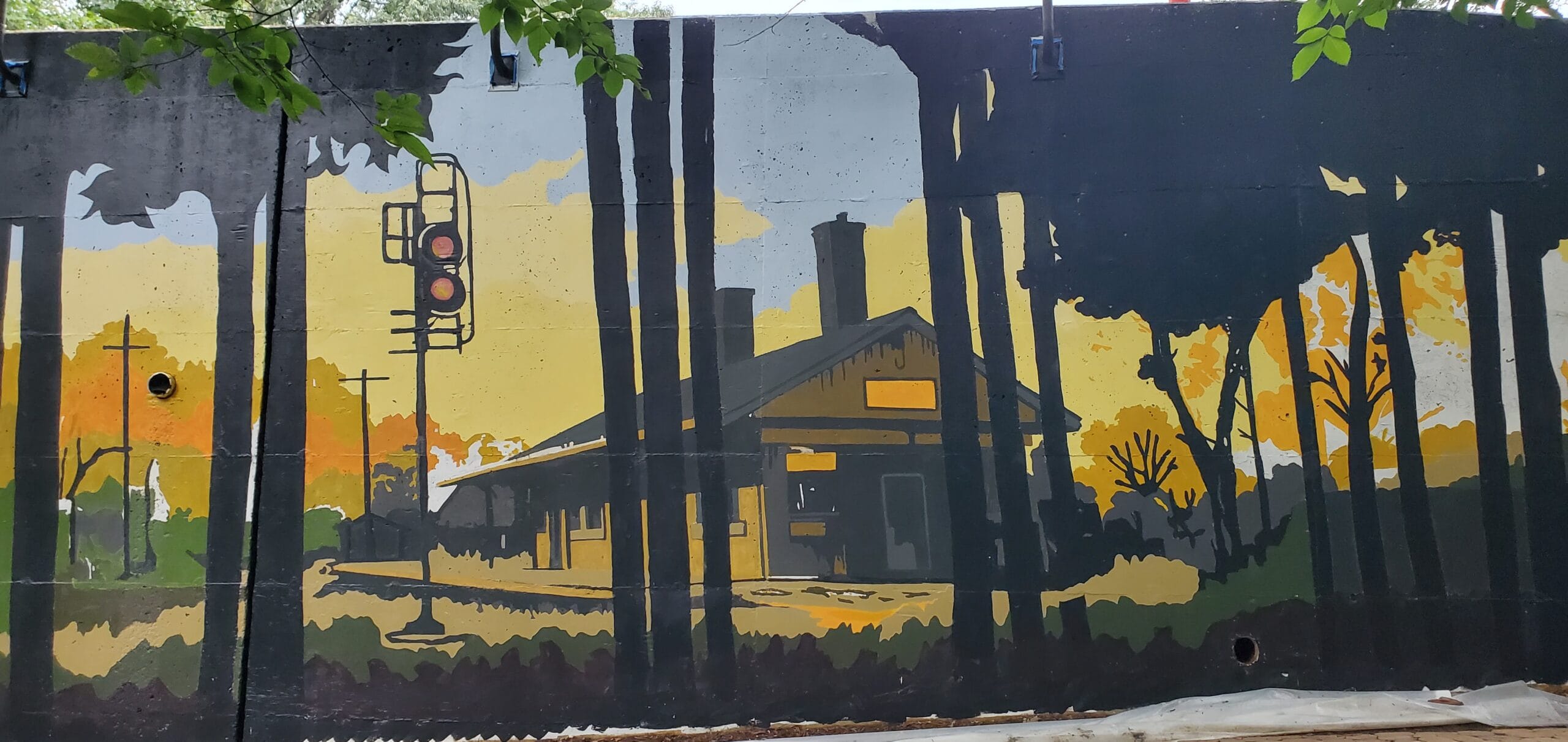
The Vienna Train Depot signifies the healing of the nation and the forward progress beyond that great conflict. The red oaks' gnarled roots entwine with the story of the land, anchoring this moment in time.
1930's & 1940's
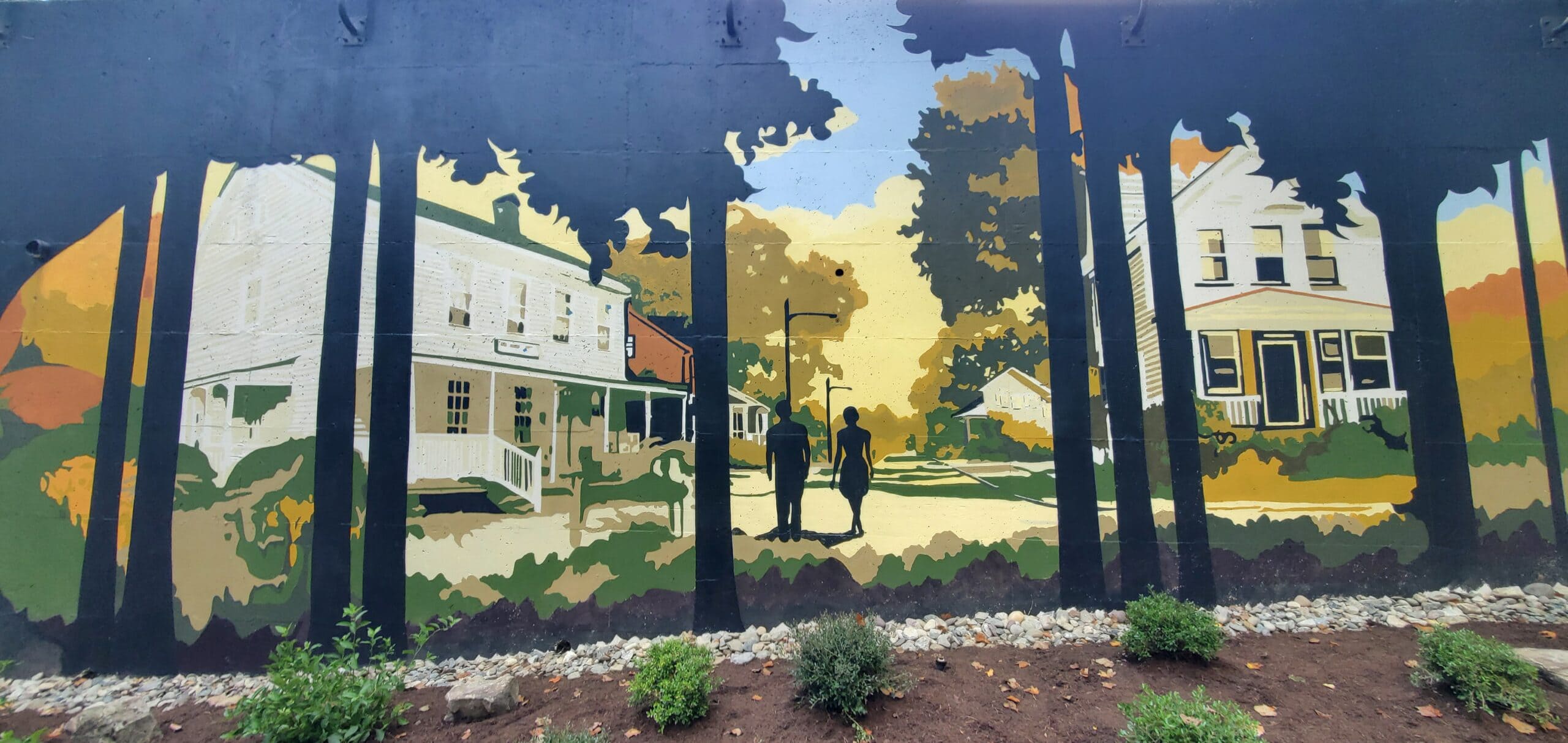
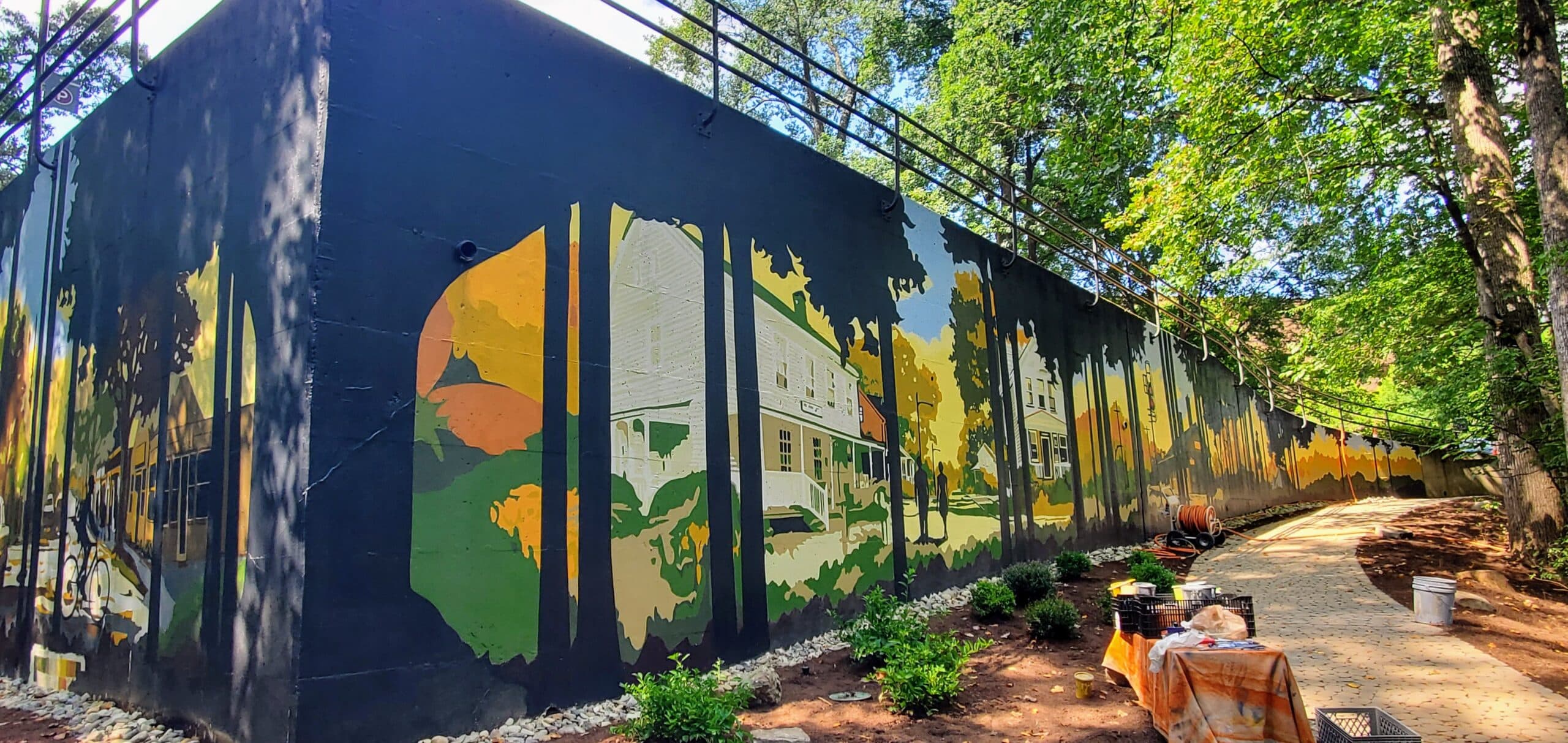
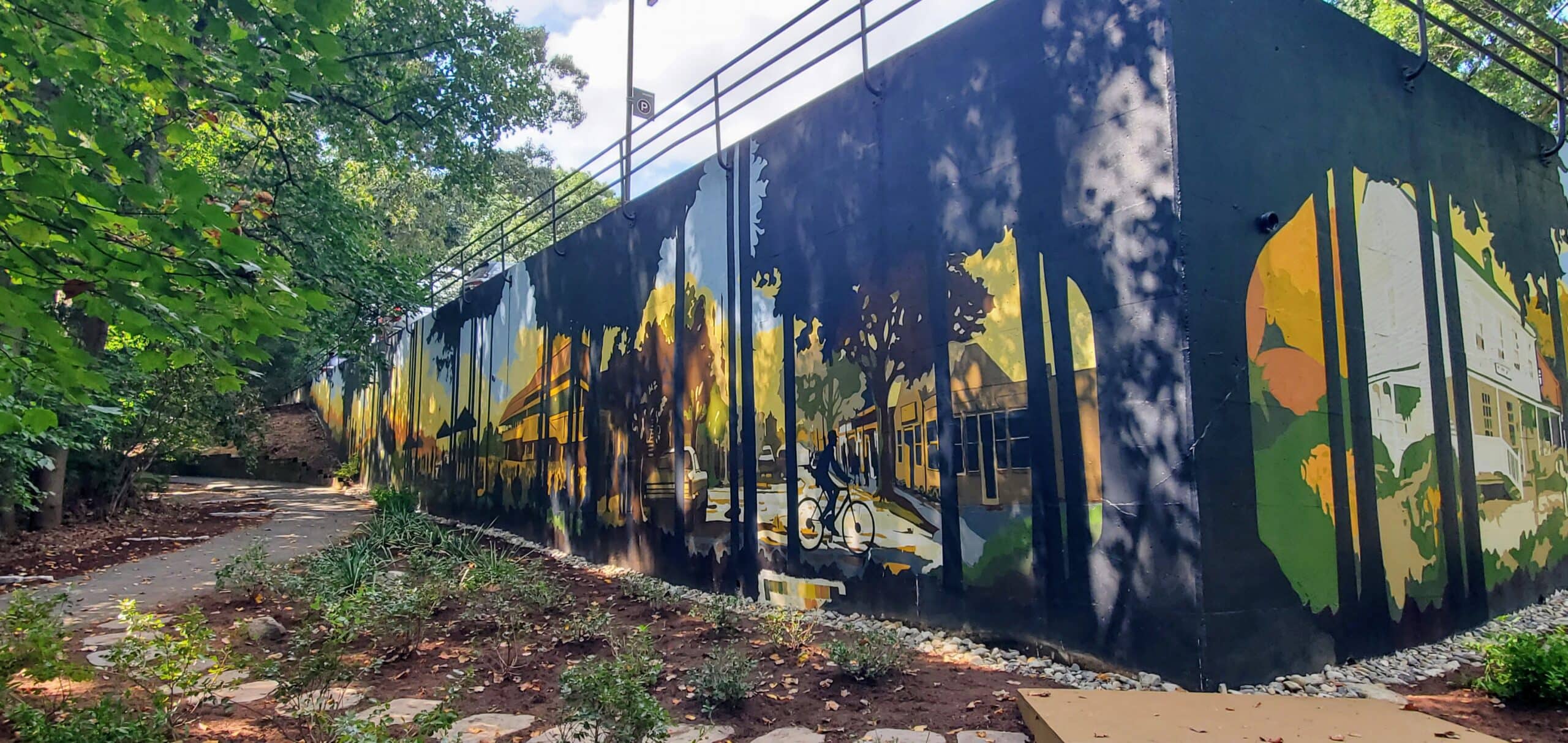
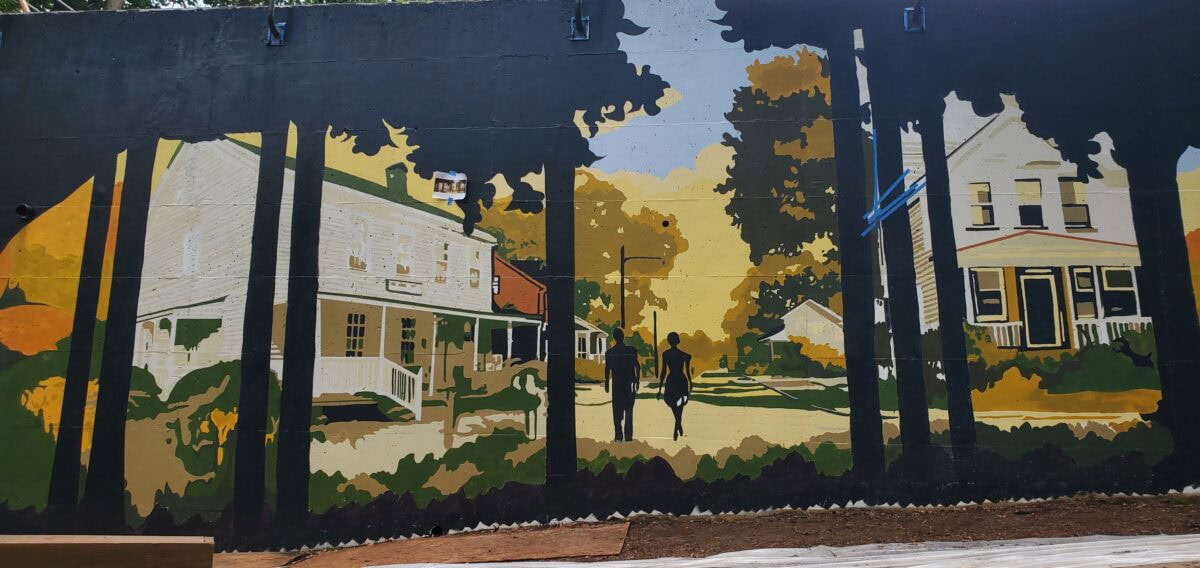
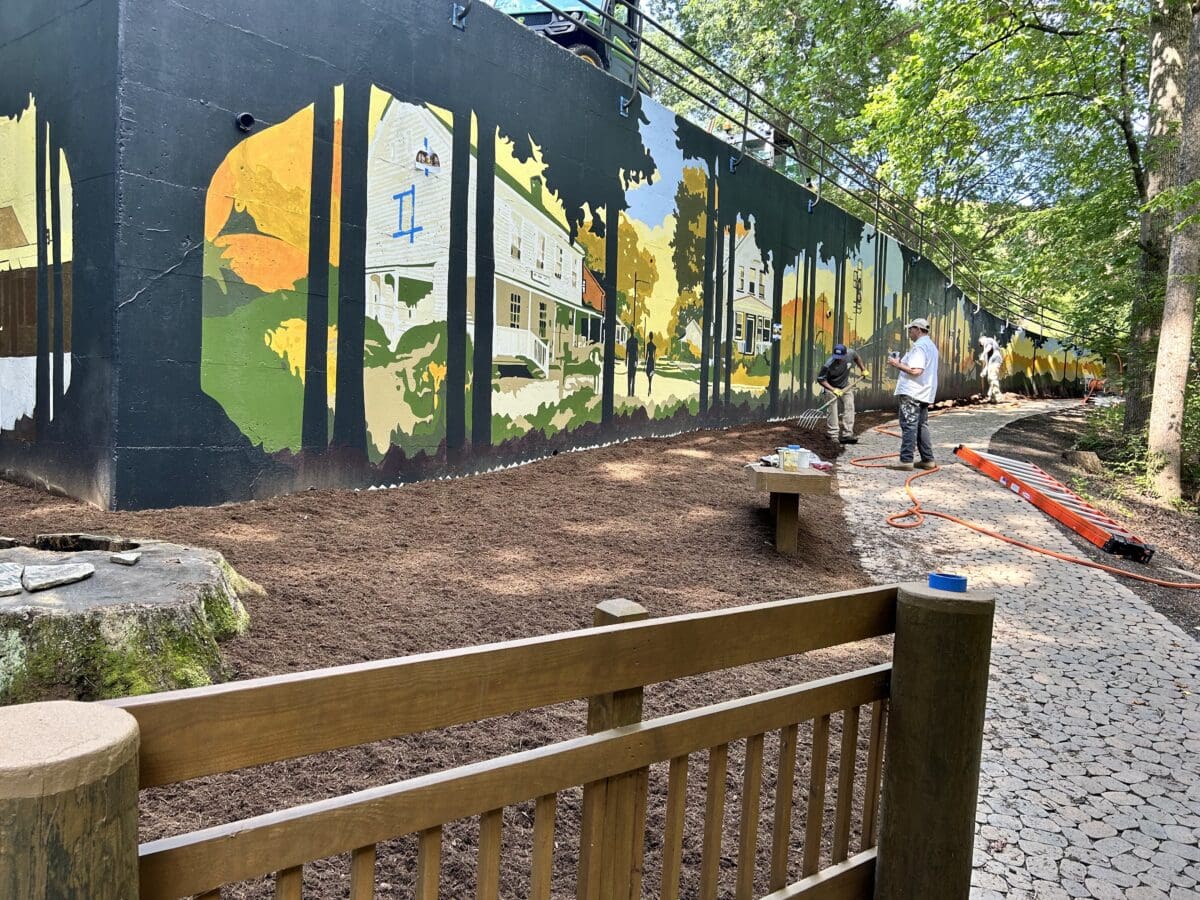
Moving left, the mural transitions into the 1930s and 1940s, capturing Vienna’s emergence as a growing urban hub. At the center of this section stands the iconic Freeman Store and Museum, its porch always a draw for townspeople and activity. The backdrop shows a quiet urban street, hinting at progress. The oaks now stretch their branches over shopfronts and sidewalks, steady and unchanged, as the town blossoms beneath them.

1970's & 1980's
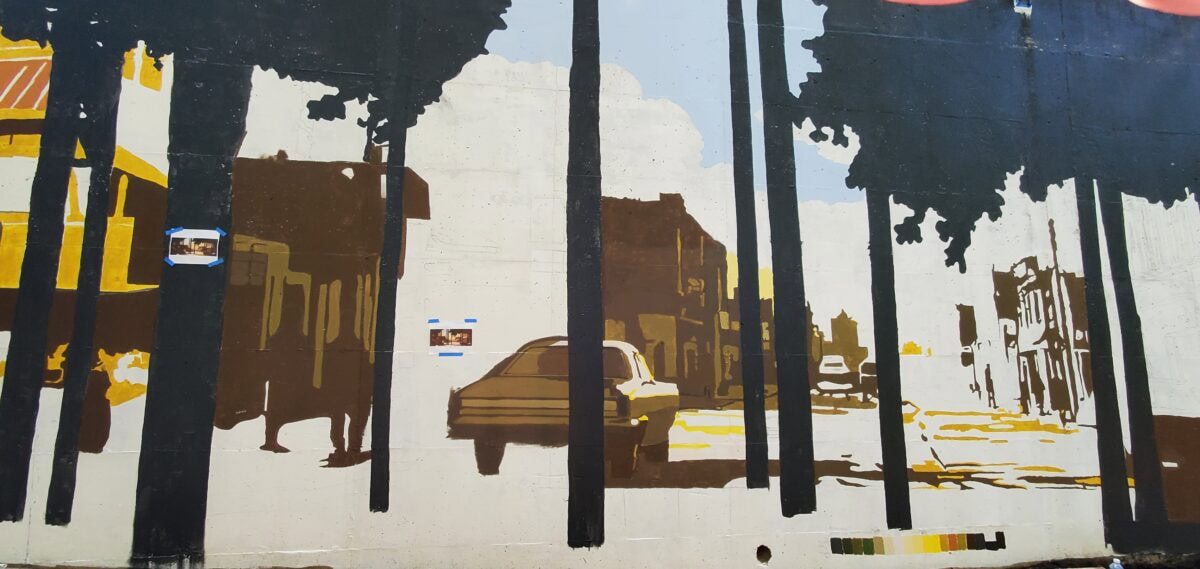
Next comes a vibrant 1970s street scene, filled with bold car designs and energy. Imagine children on banana-seat bikes cruising past bell-bottomed pedestrians headed to the Vienna Inn. There’s a sense of casual joy—a slice of daily life in a town growing into itself. The red oaks continue to frame the image, their leaves casting shifting shadows on the pavement, unchanged as generations pass below.

2000's
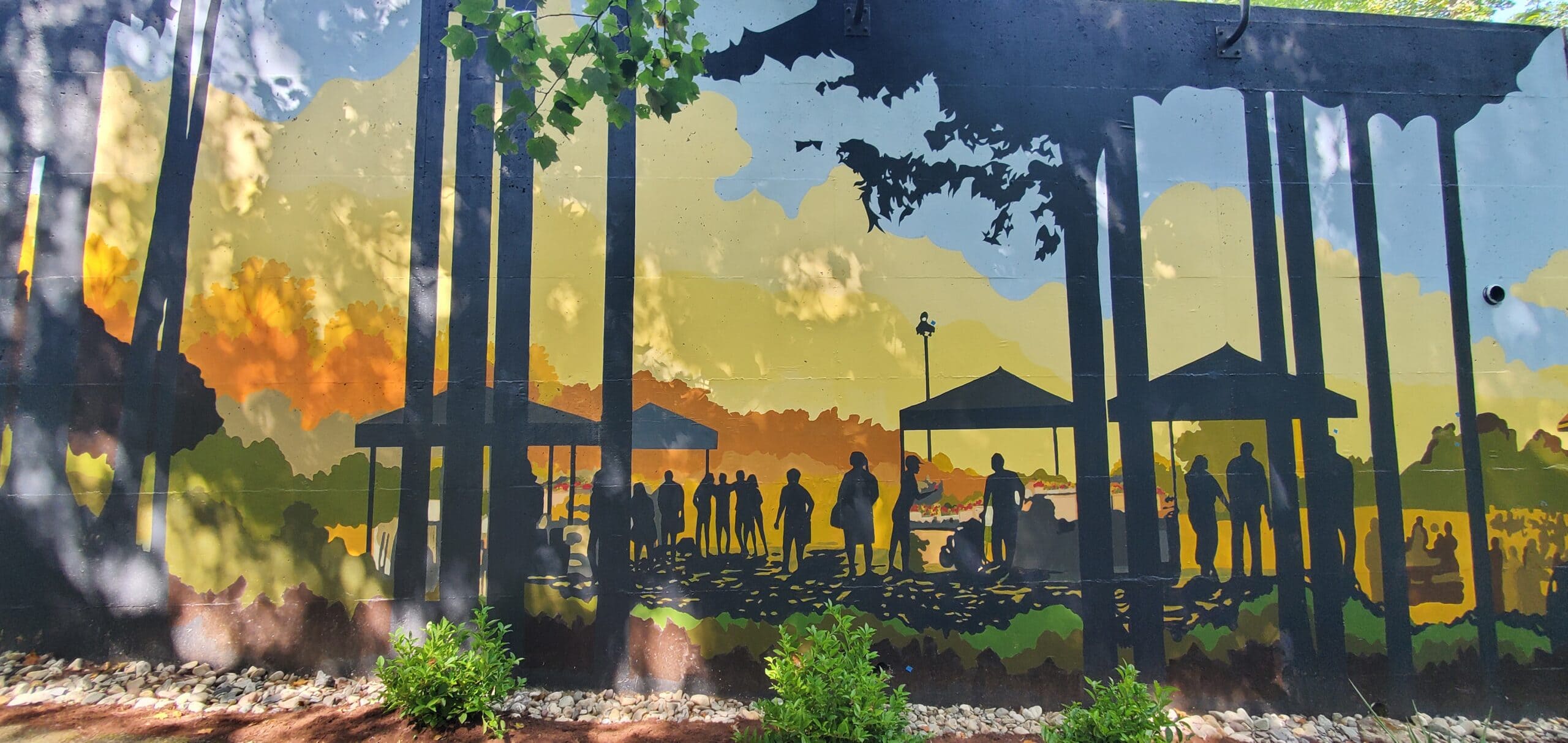
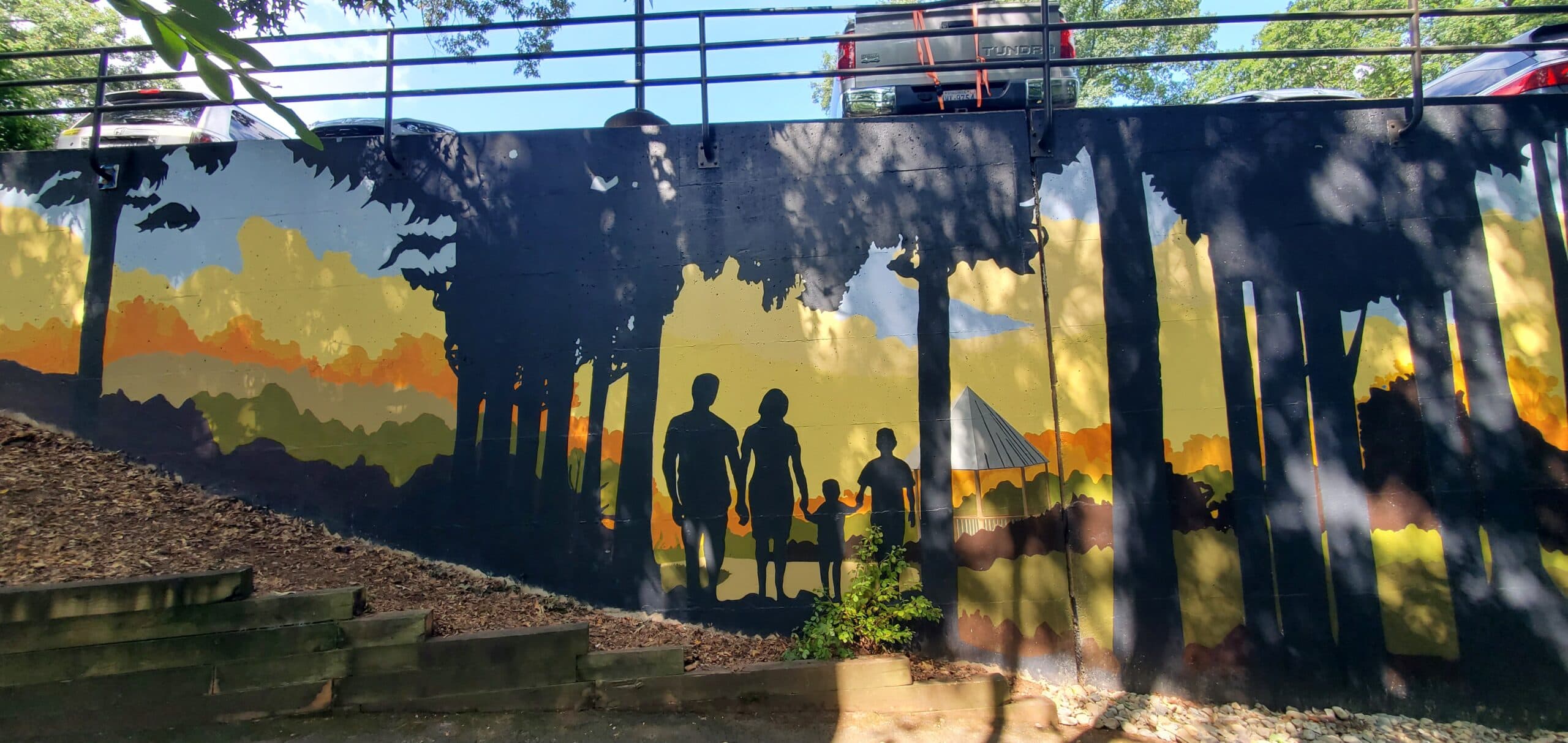
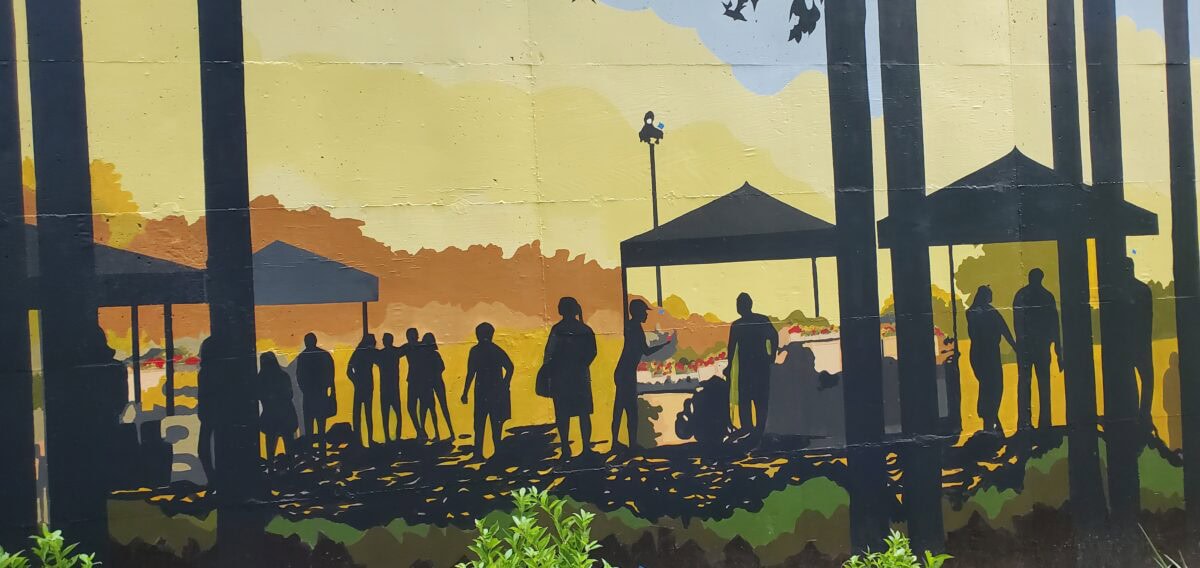
As the mural moves further left, it crescendos into a vision of Vienna today. This final section is filled with the joys of community and culture:
A lively performance at Wolf Trap’s Filene Center, with music drifting into a summer sky.
A bustling open-air street market, with neighbors greeting one another between stalls of flowers and produce.
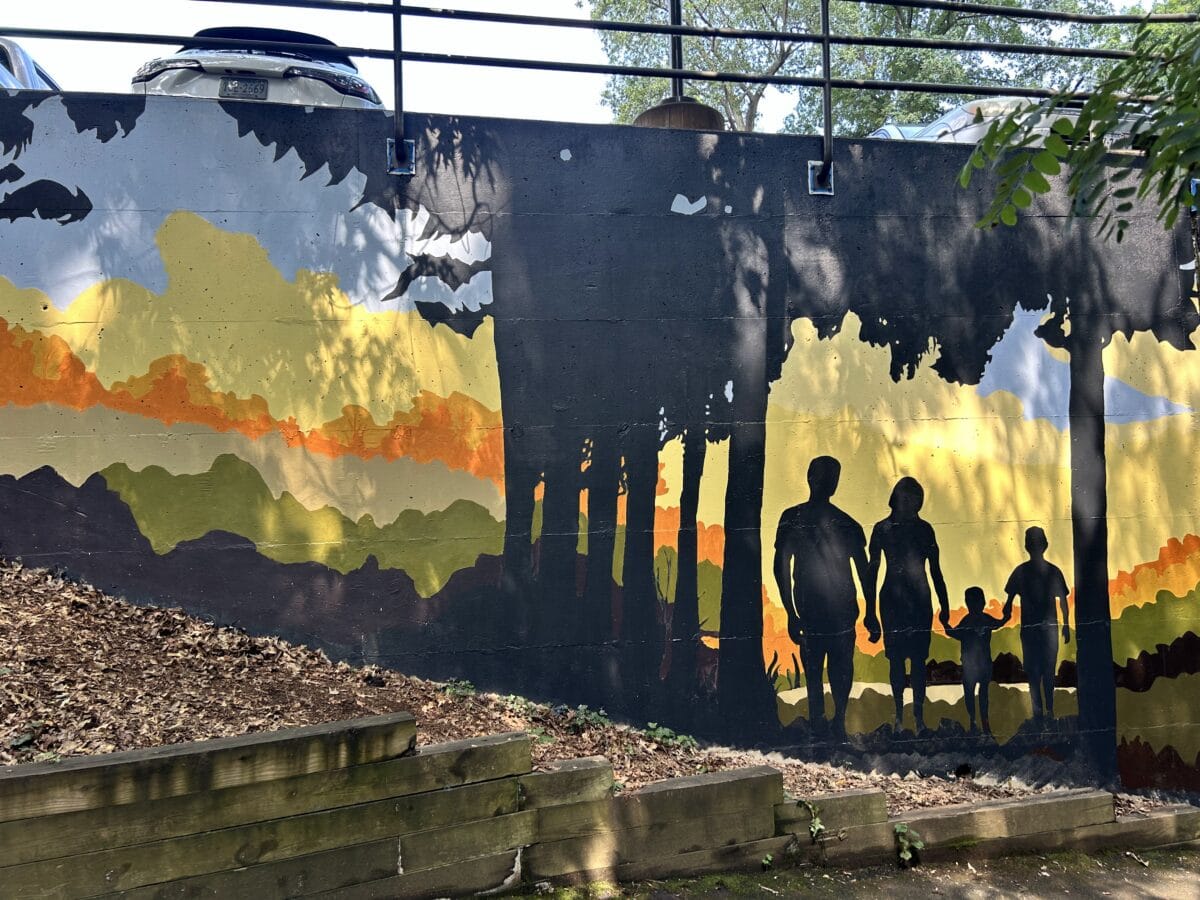
A family, hand in hand, wandering the tranquil paths of Meadowlark Botanical Gardens, possibly pausing beneath a red oak’s dappled light.
Today
Throughout the entire mural, the red oaks span the foreground, their broad limbs and leafy silhouettes tying each moment together. They are the constant—observers, protectors, and quiet keepers of Vienna’s collective memory.
Though the original oaks have now been felled, their story lives on through this visual tribute—a reminder that even in loss, we find legacy. The mural becomes not only a celebration of Vienna’s rich past but also an invitation to reflect, gather, and grow under the canopy of our shared history.
The Community of volunteers
Thank You to Our Incredible Volunteers!
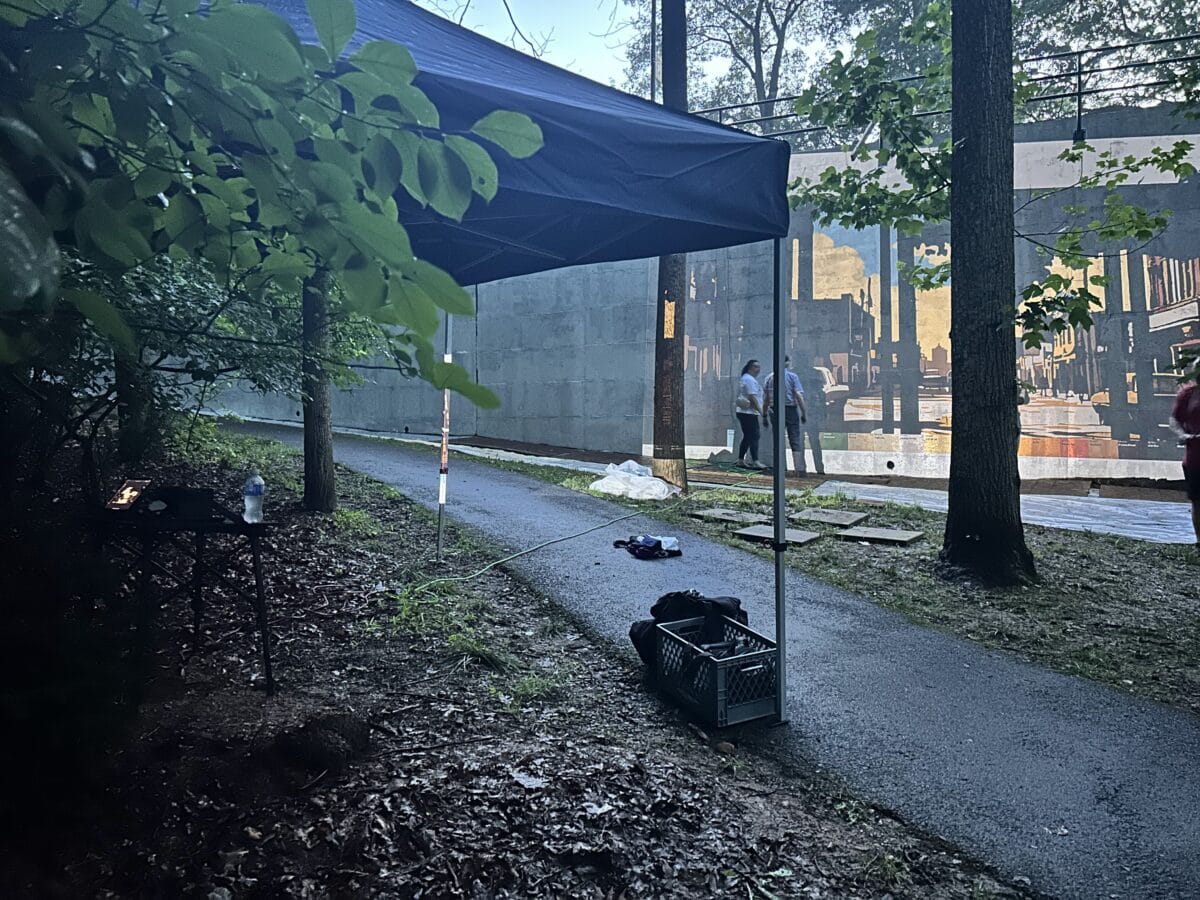
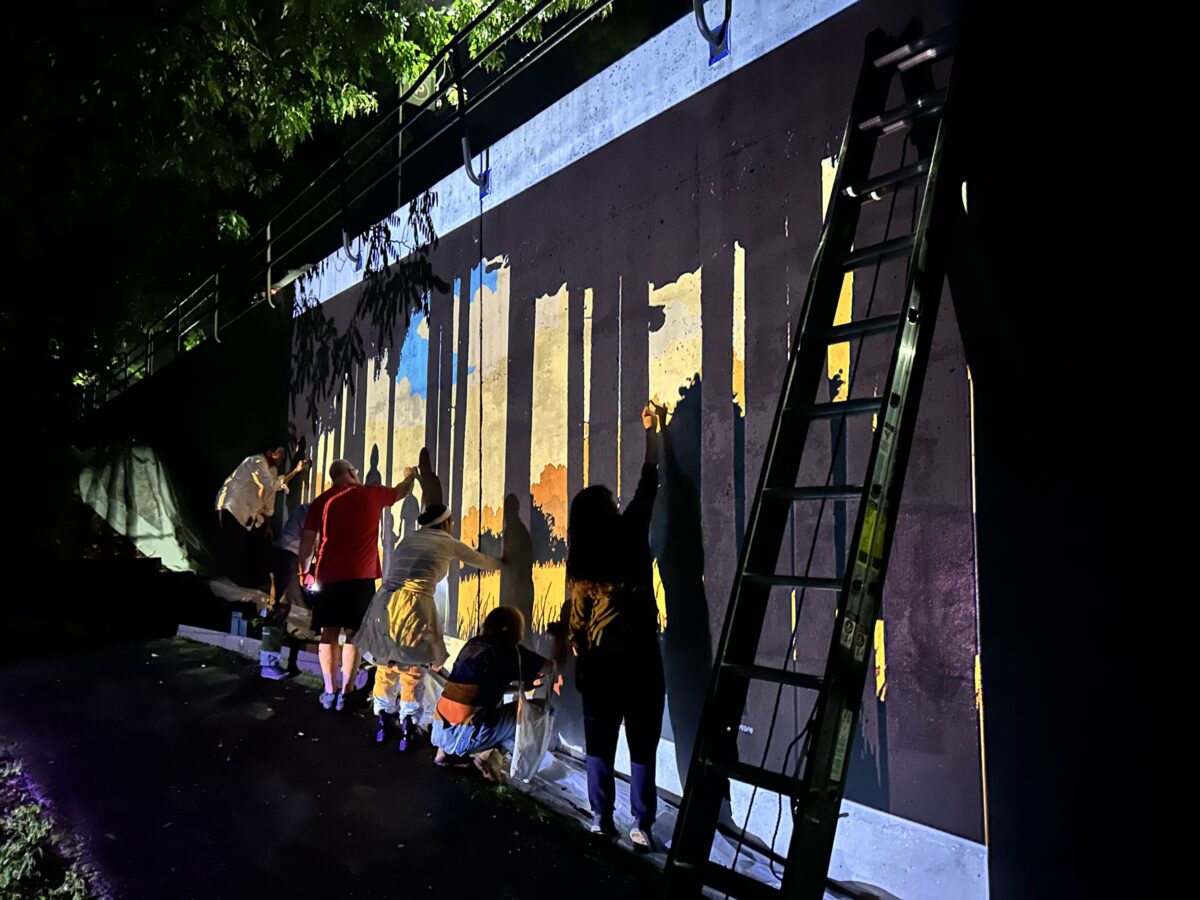
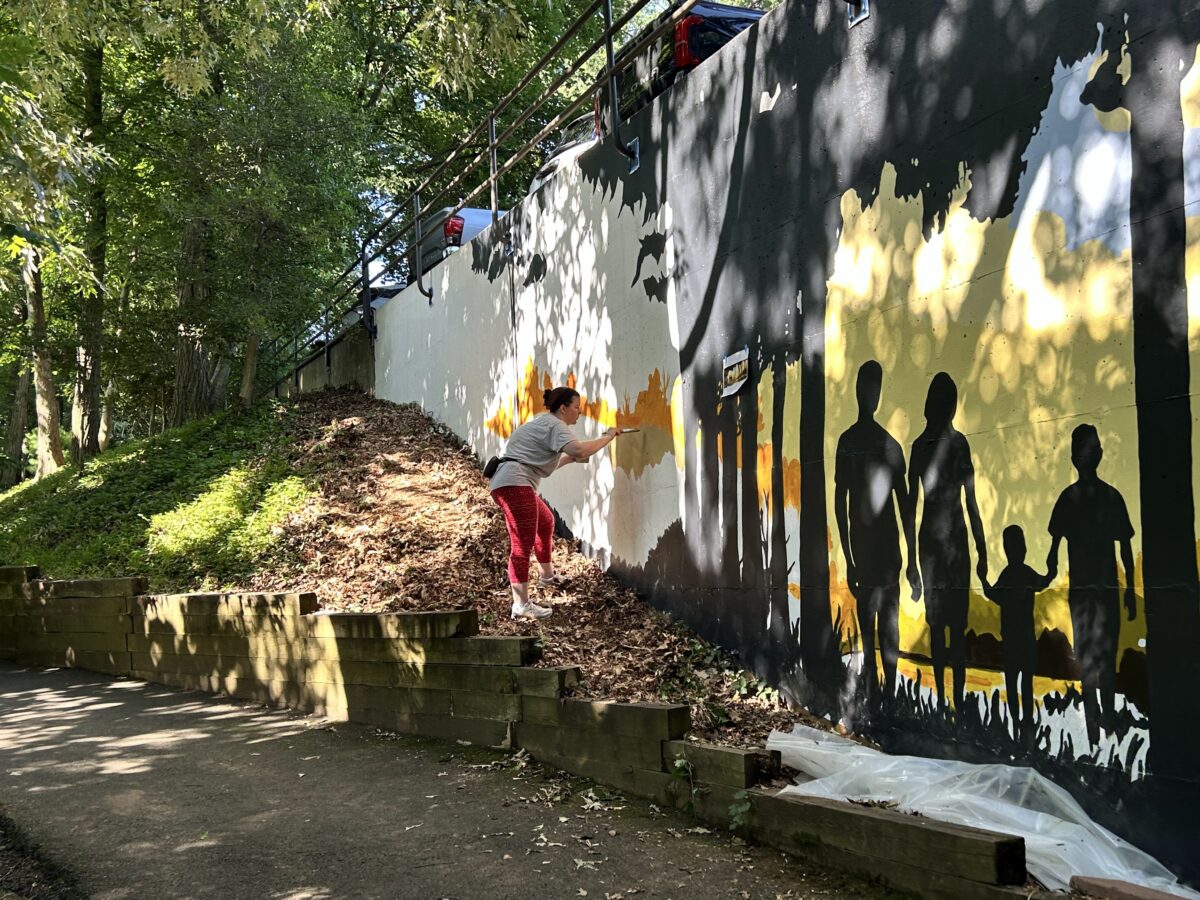
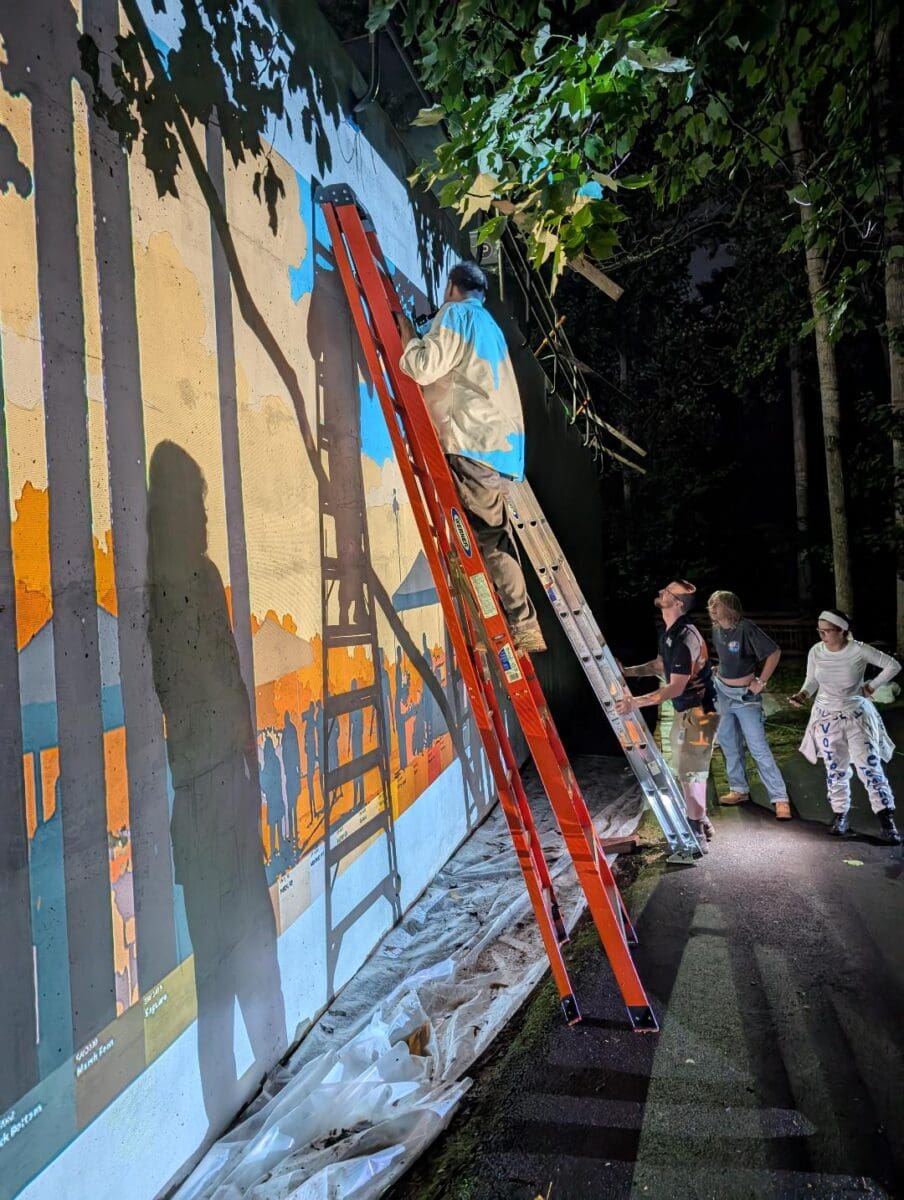
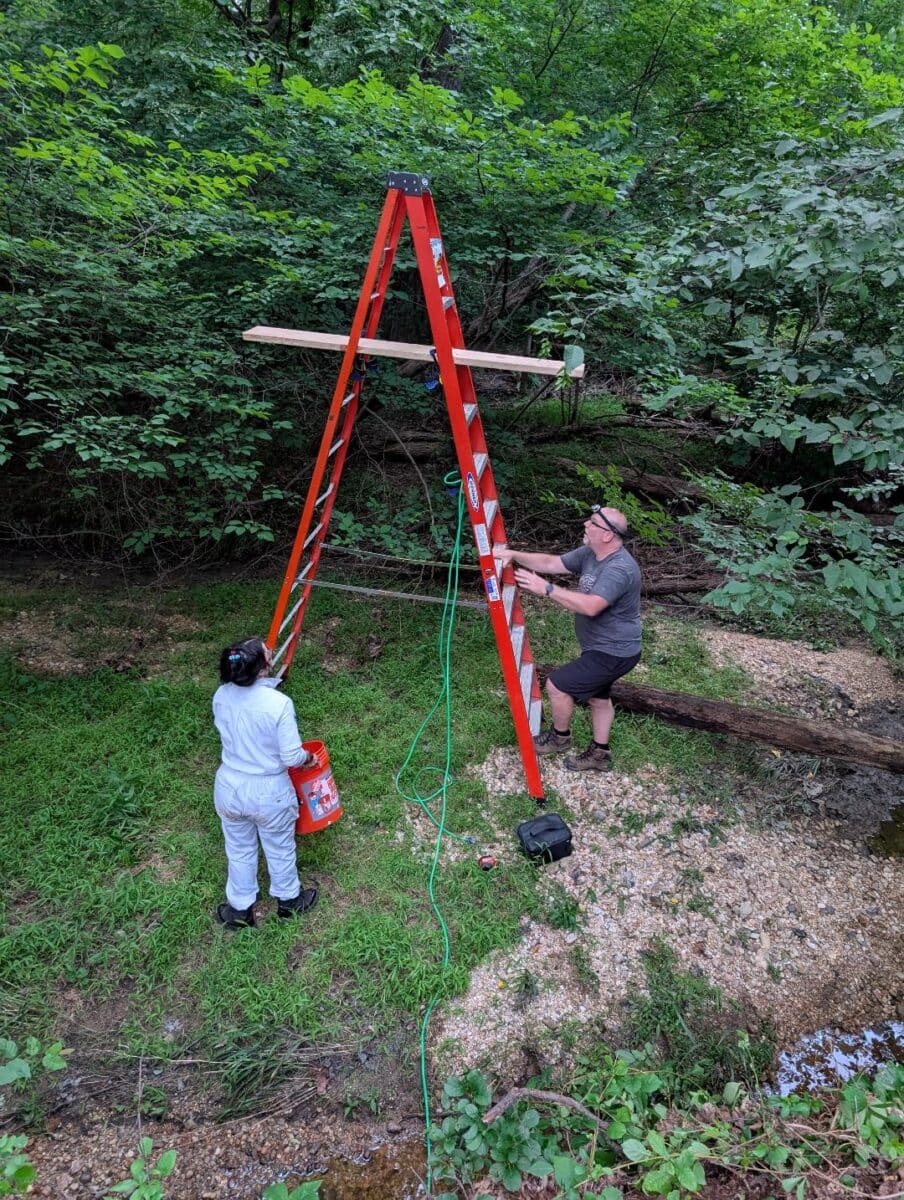
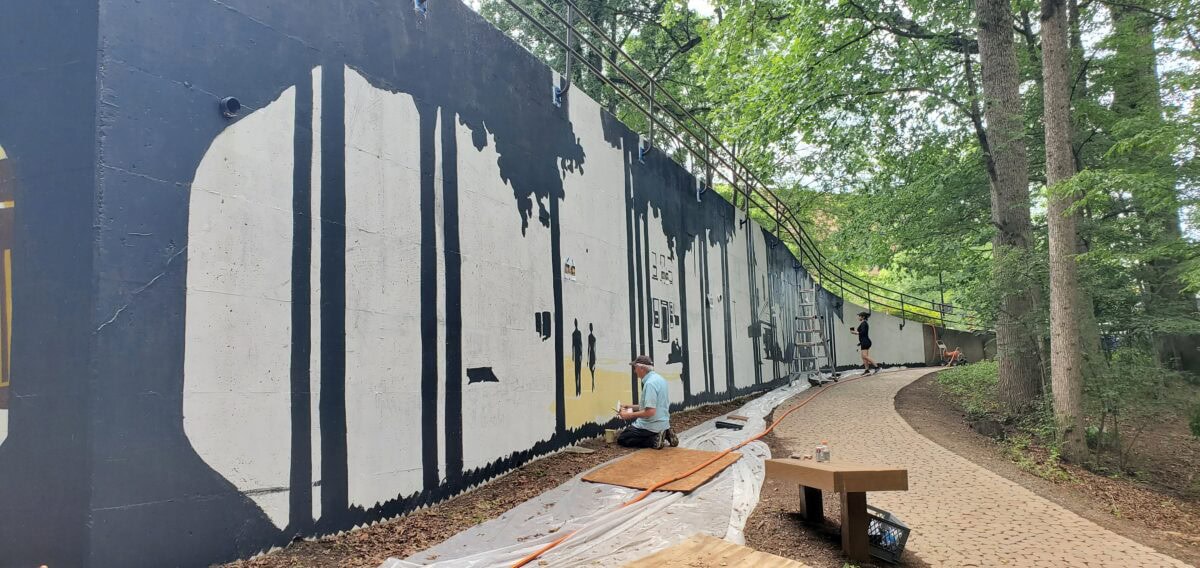
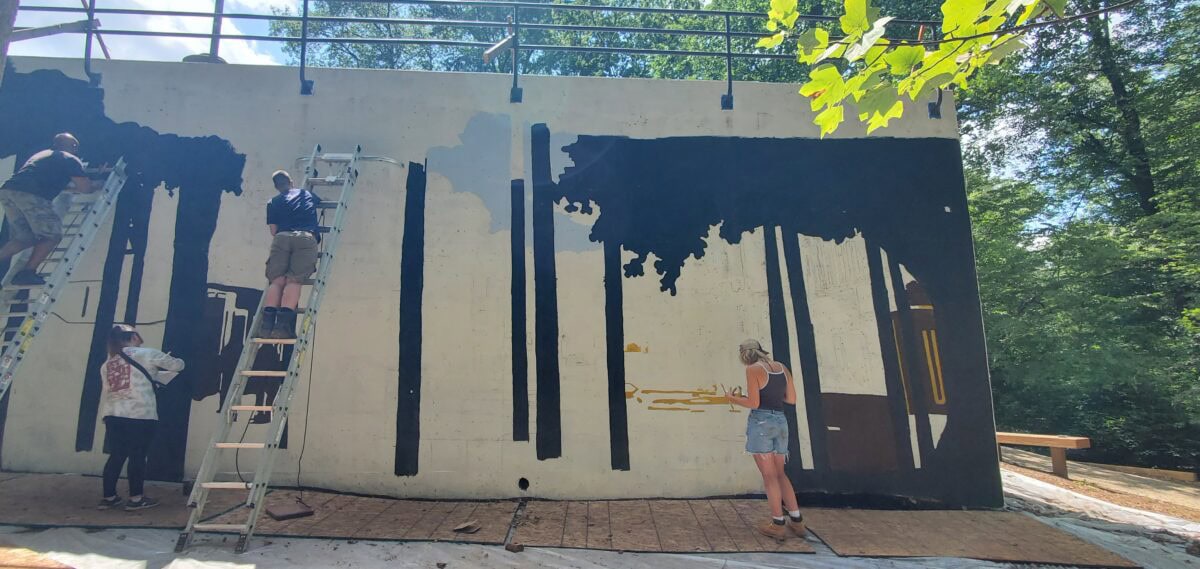
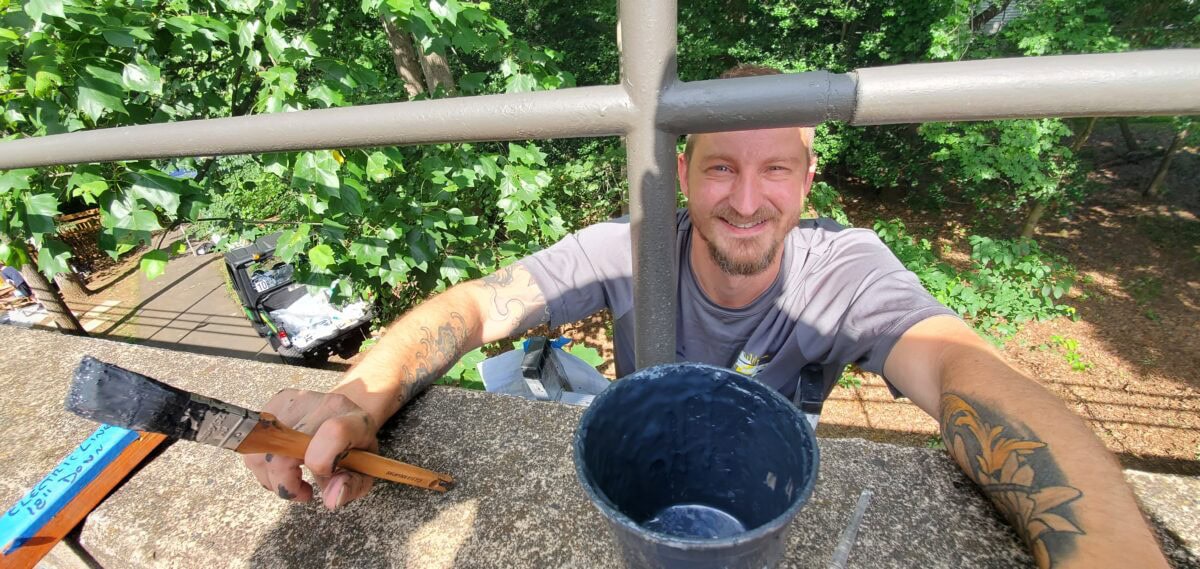
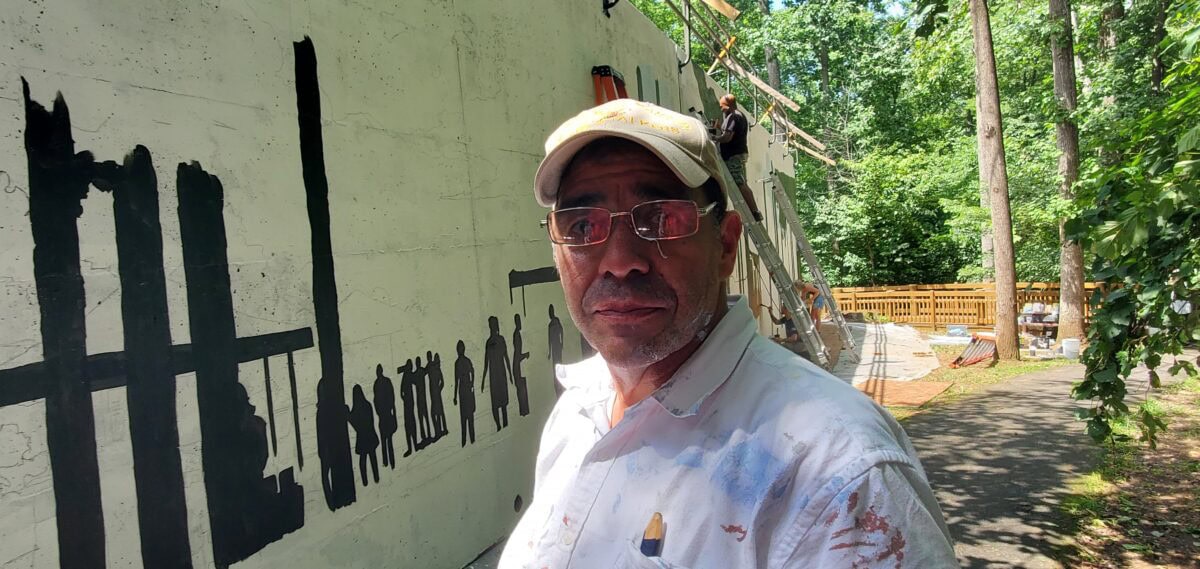
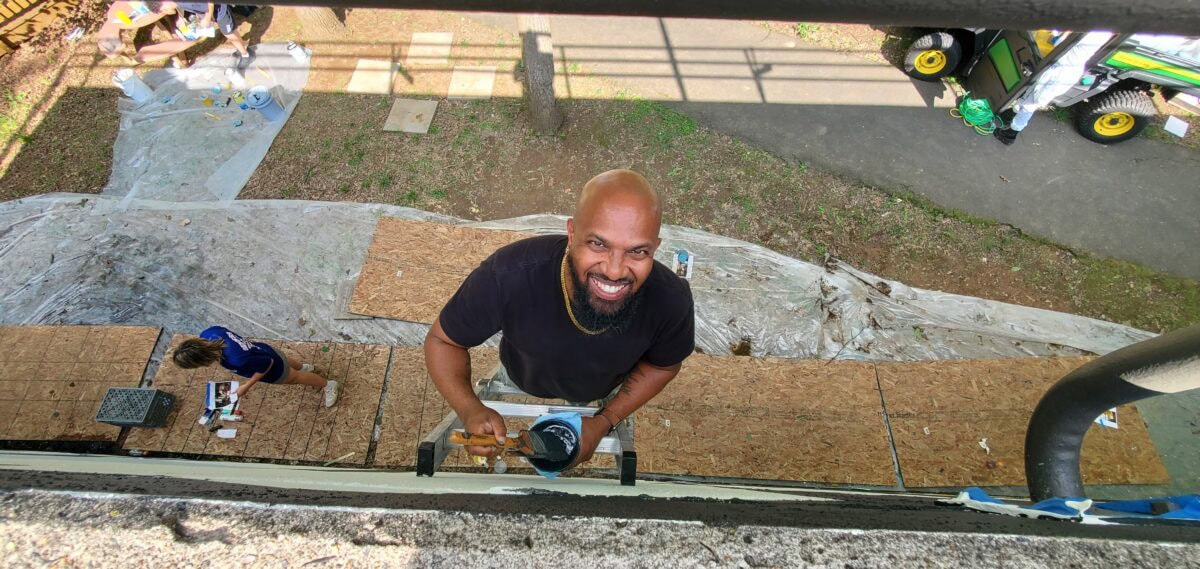
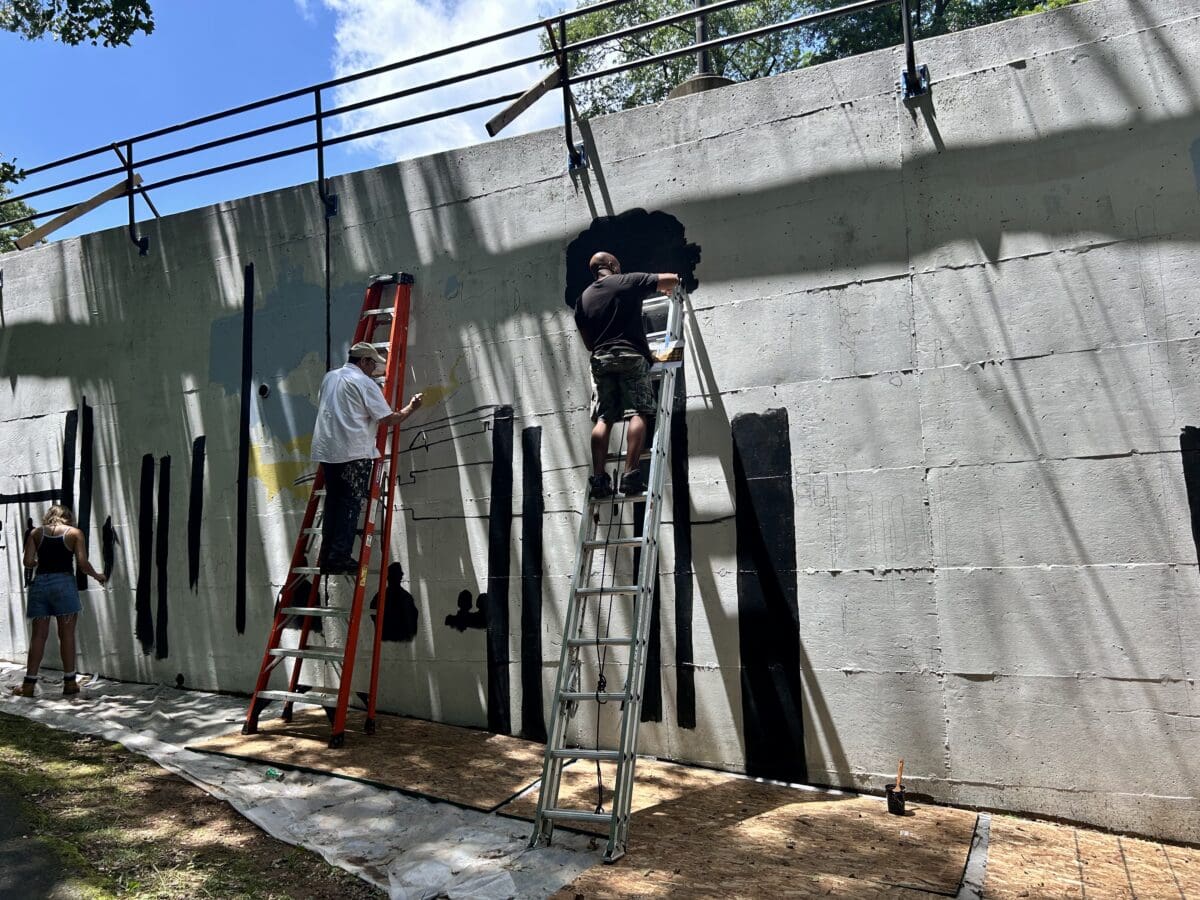
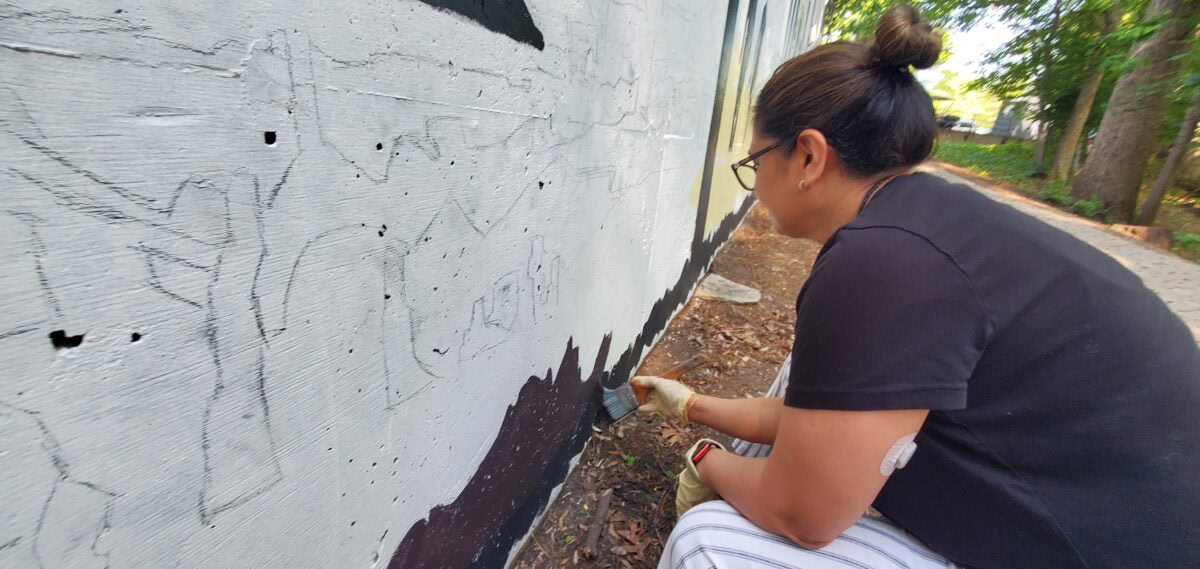
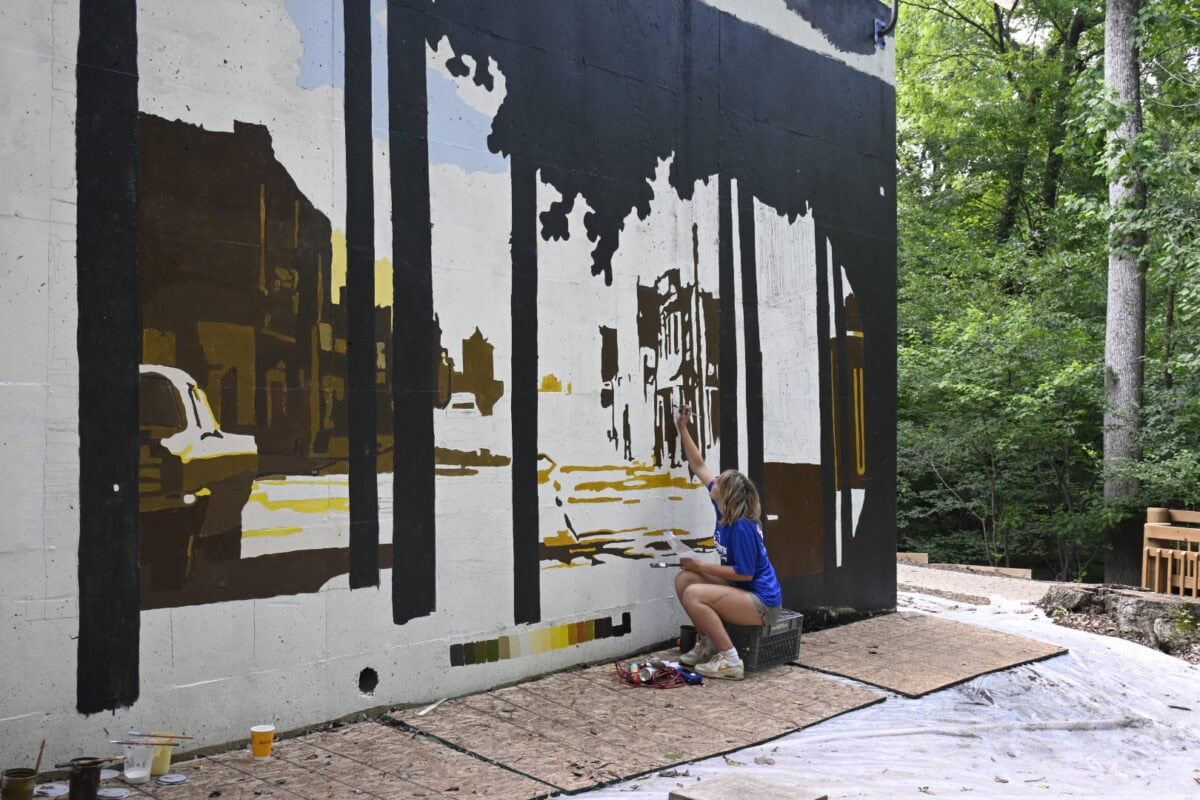
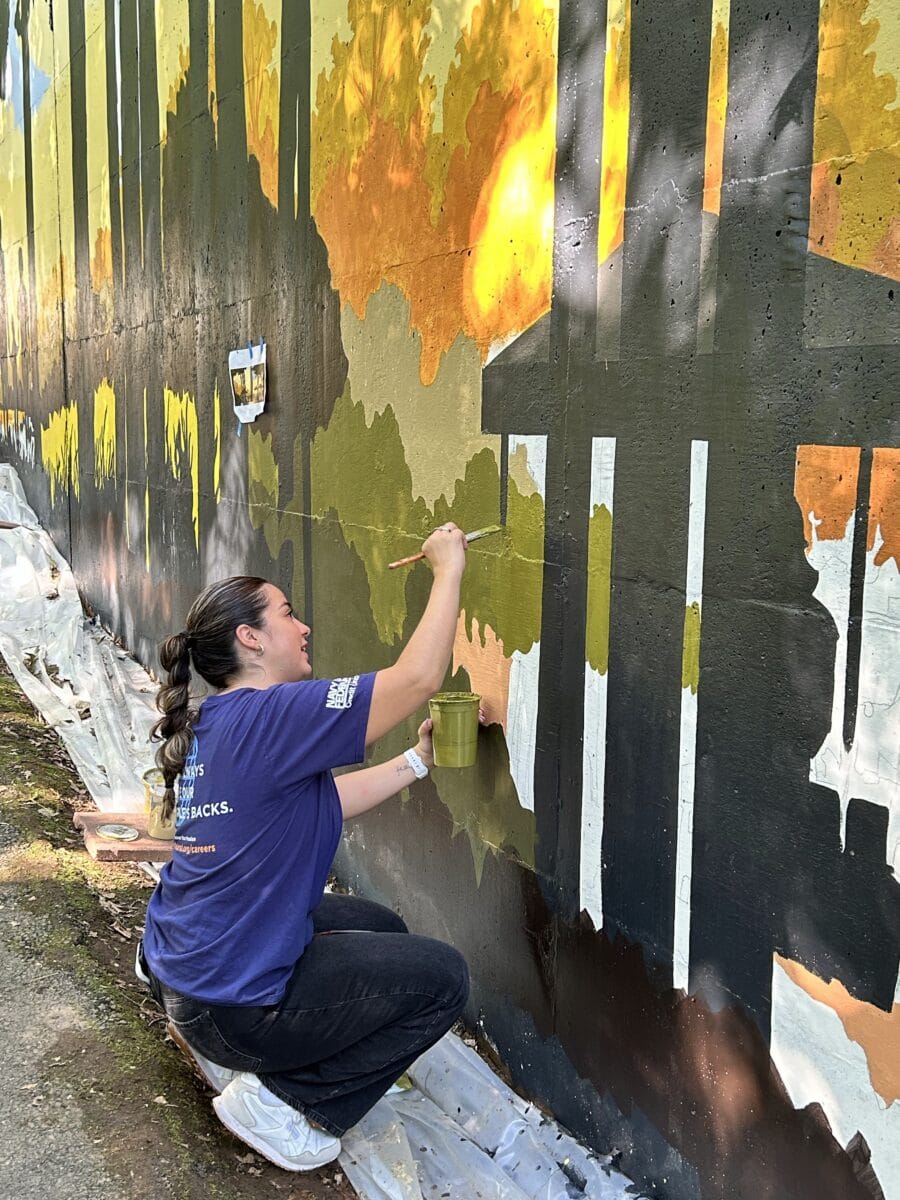
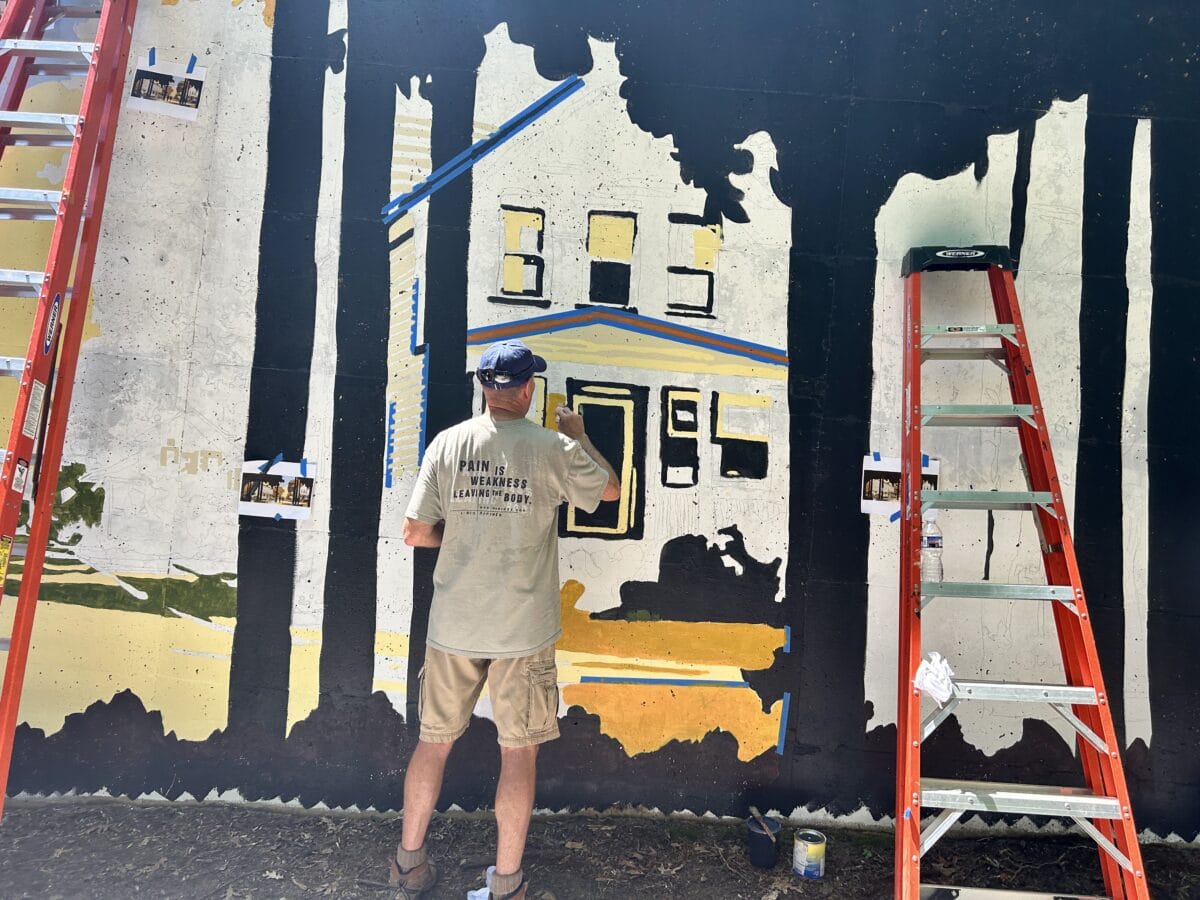
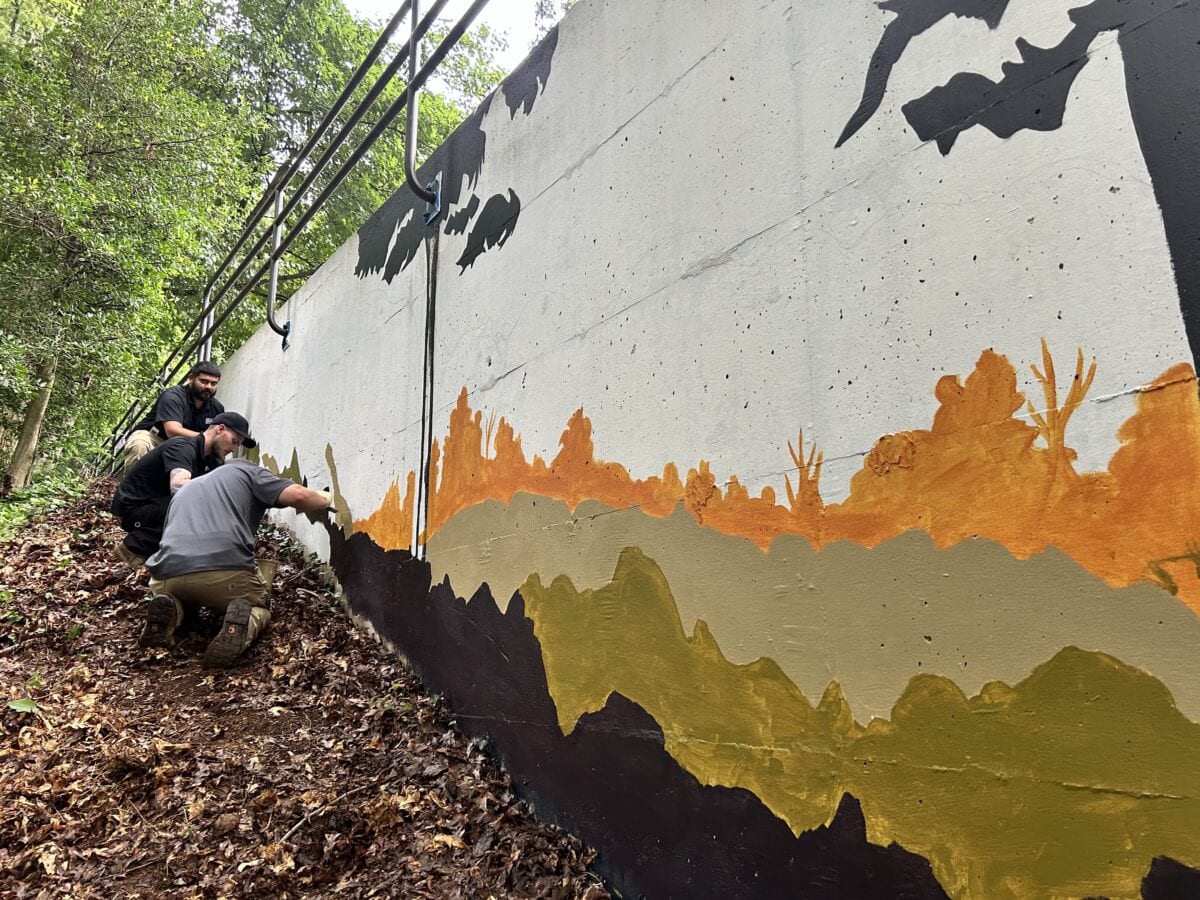
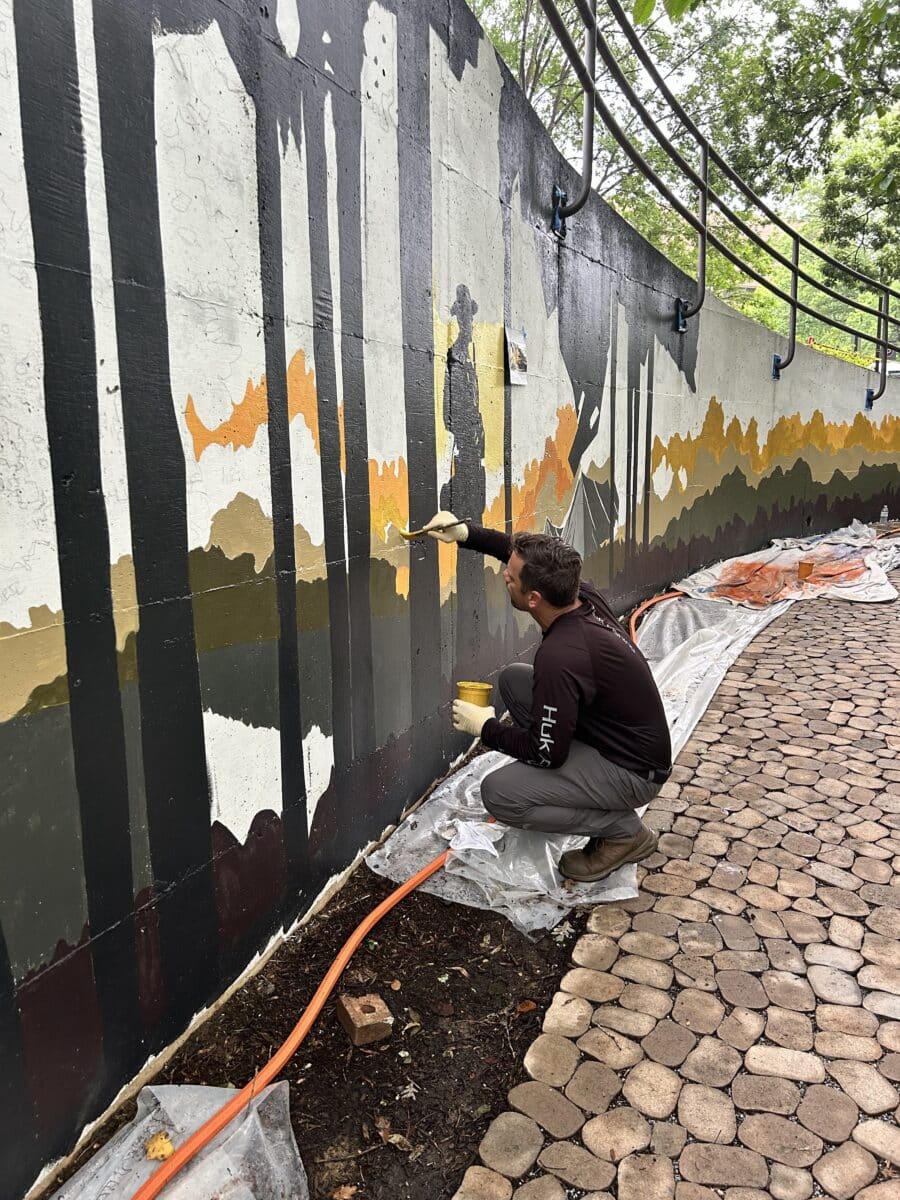
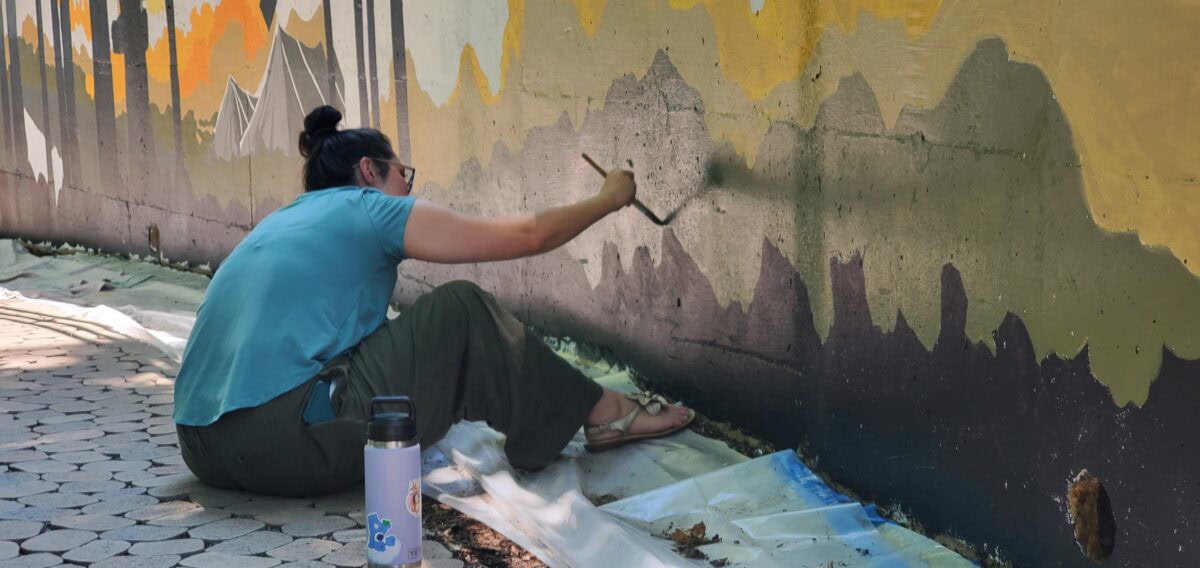
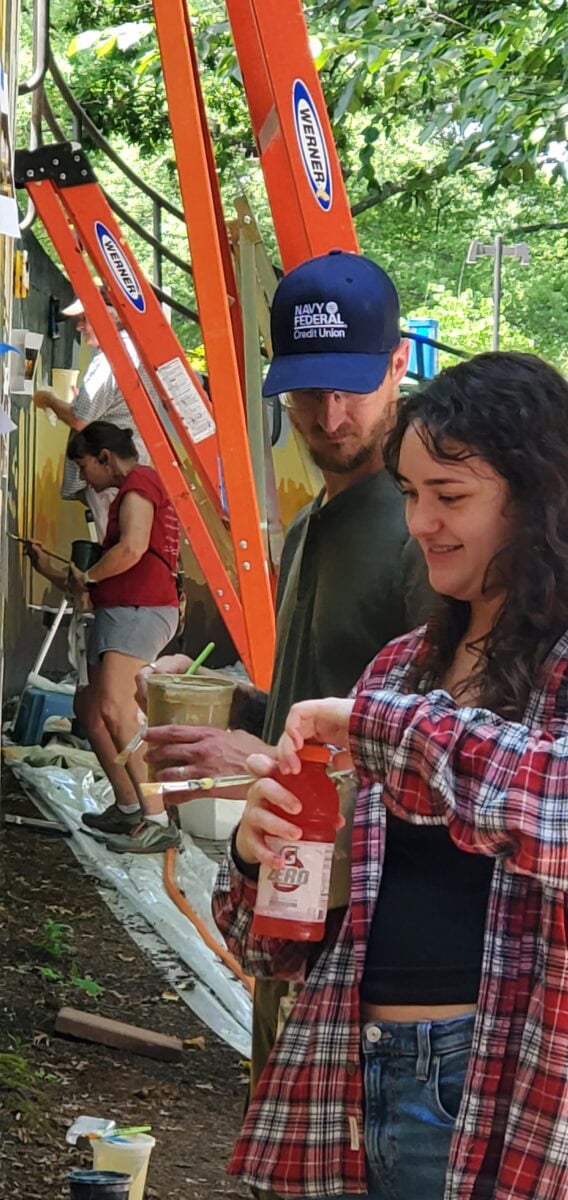
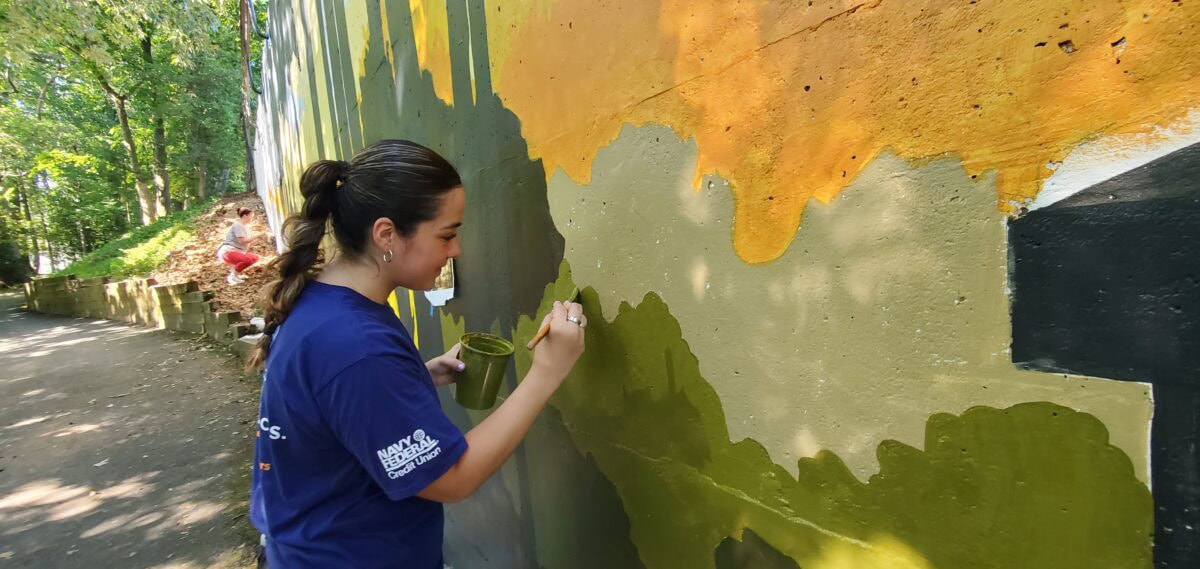
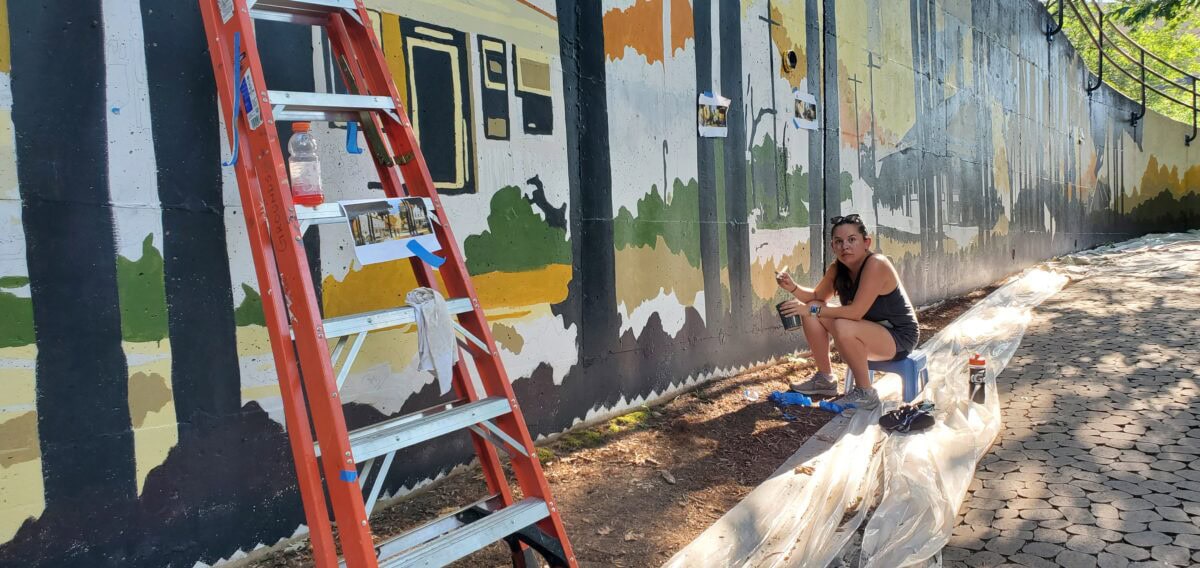
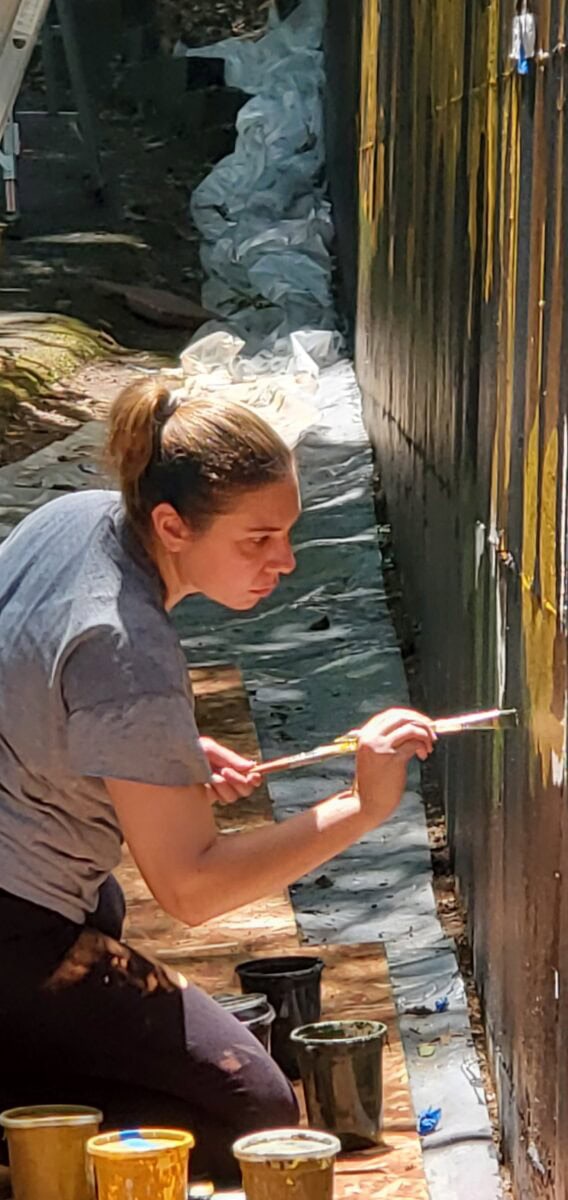
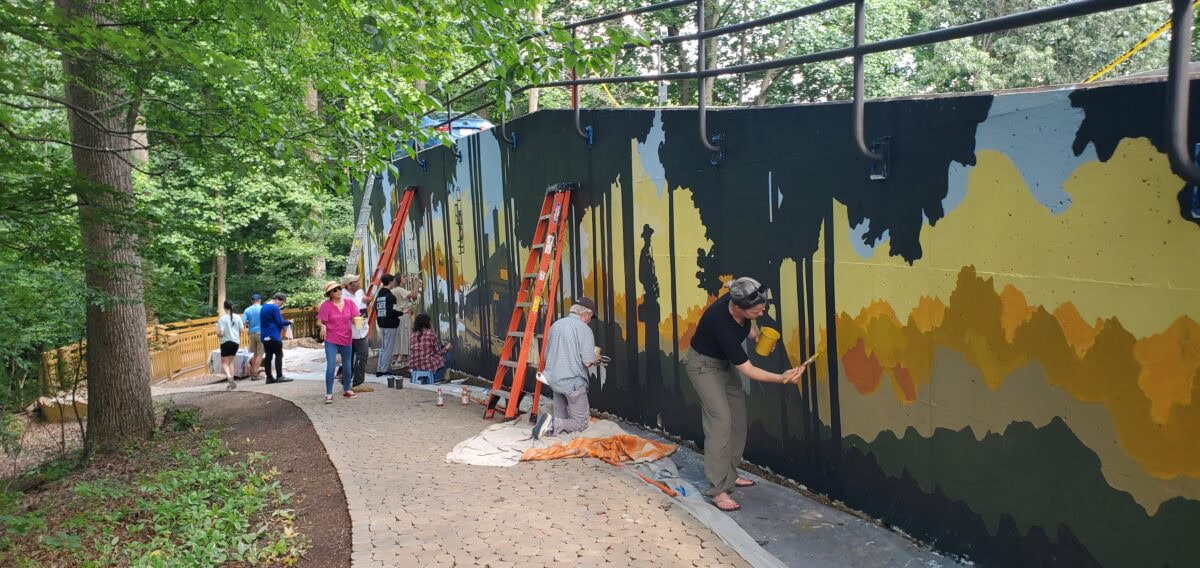
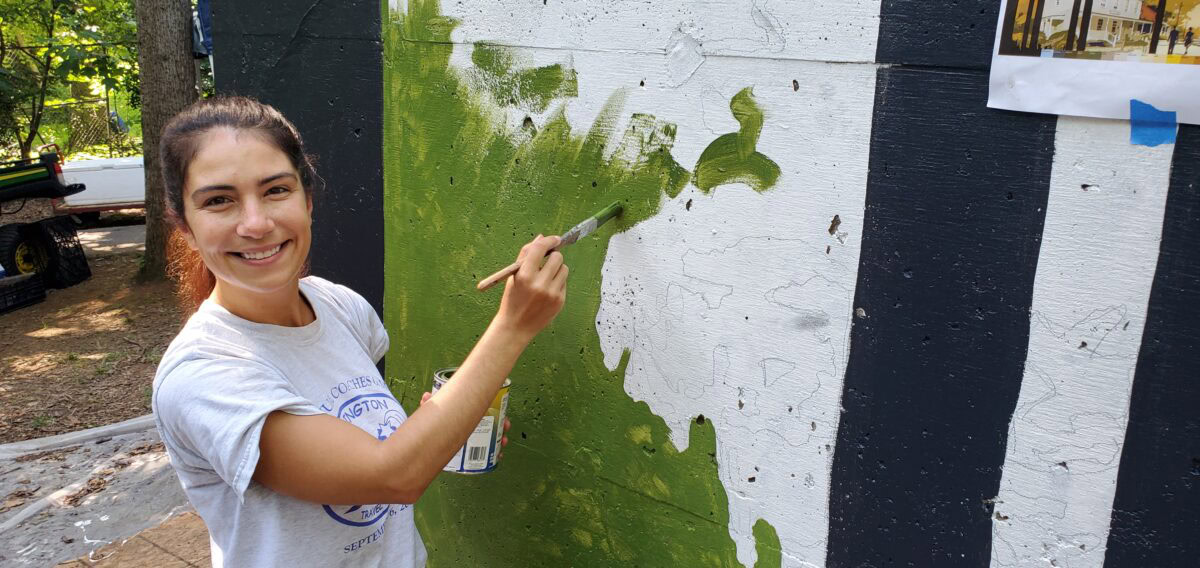
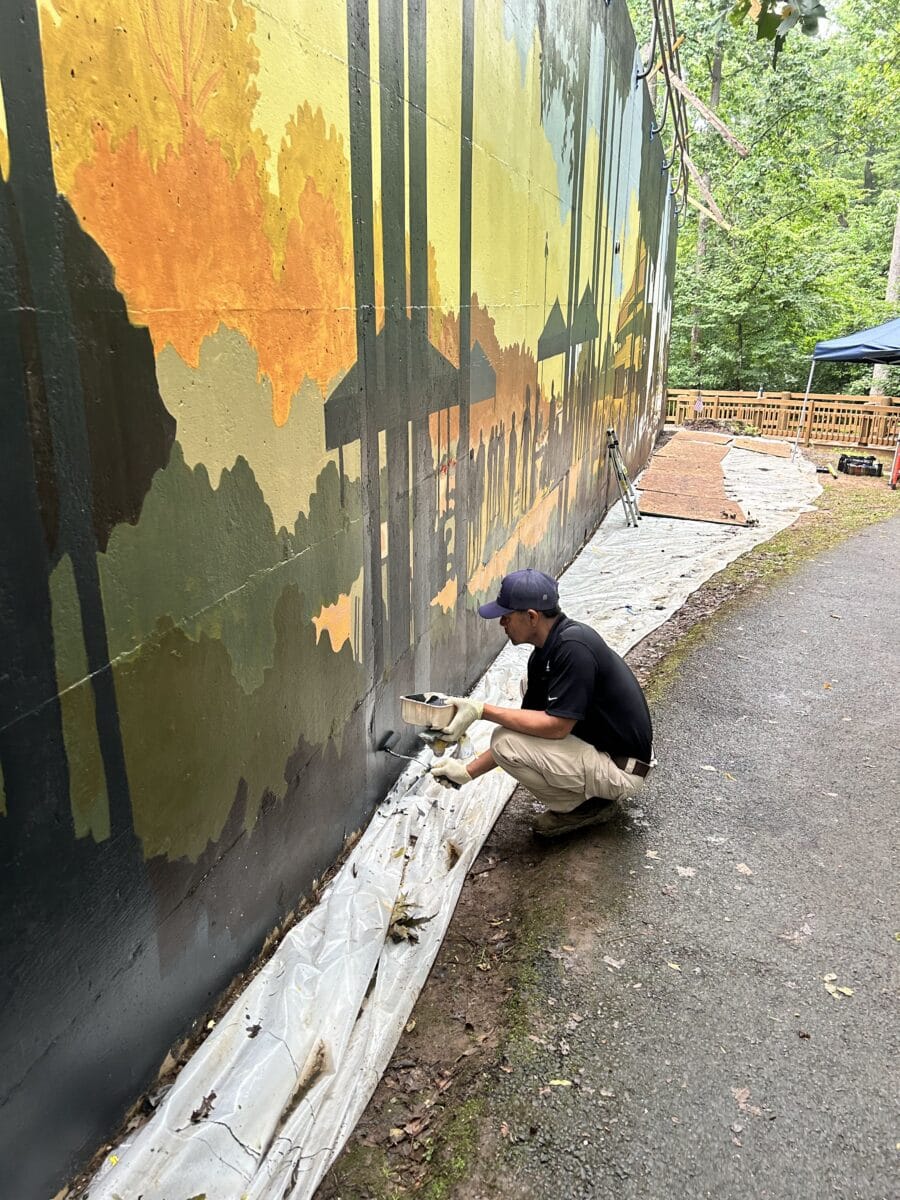
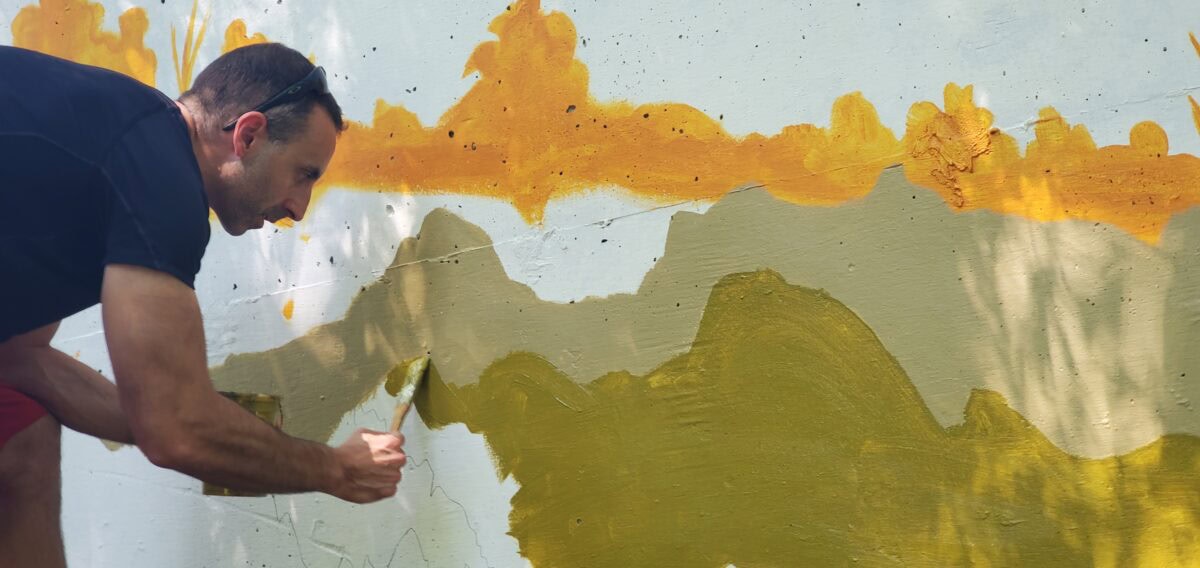
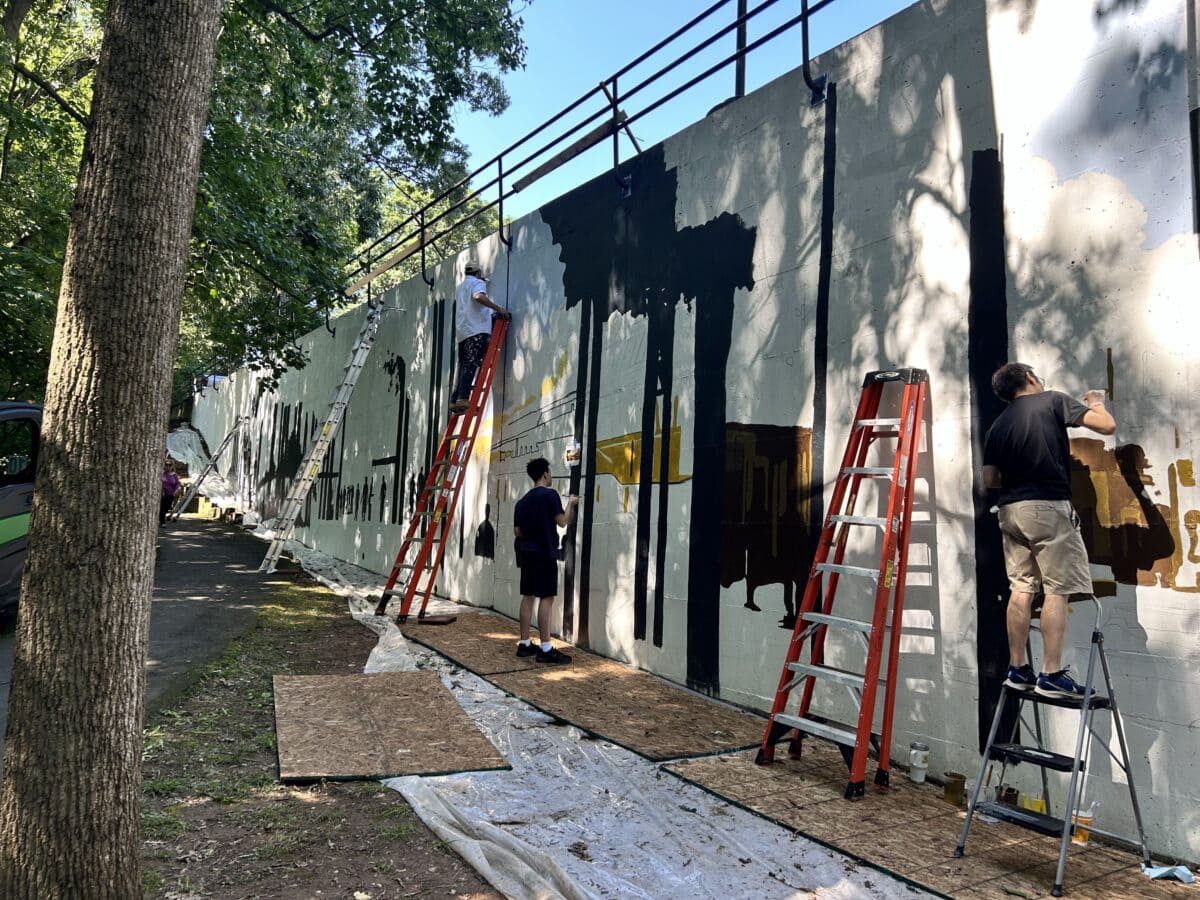
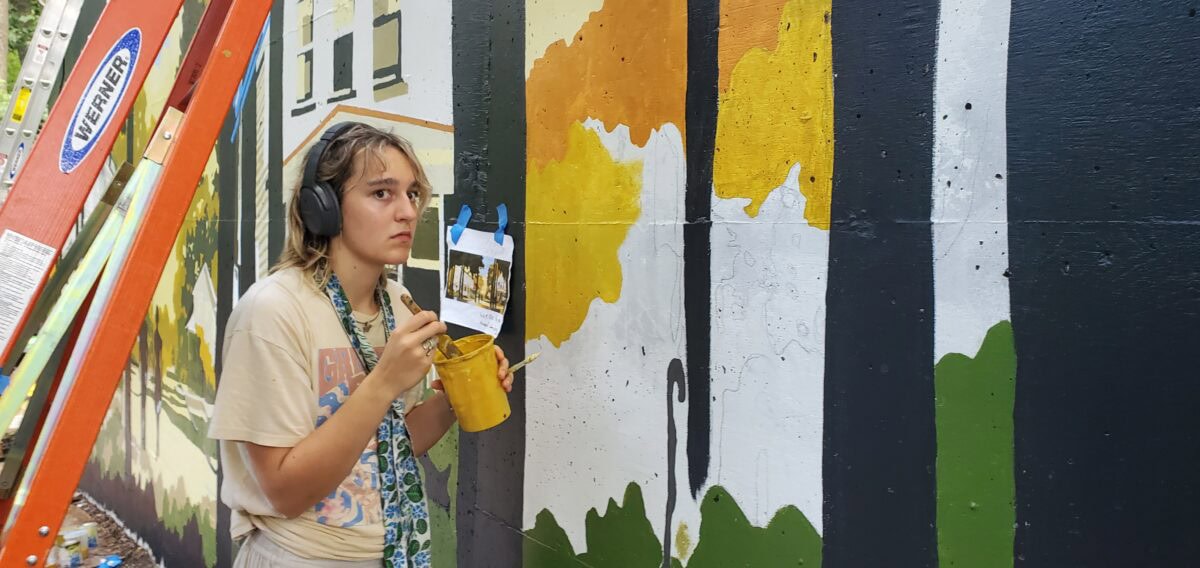
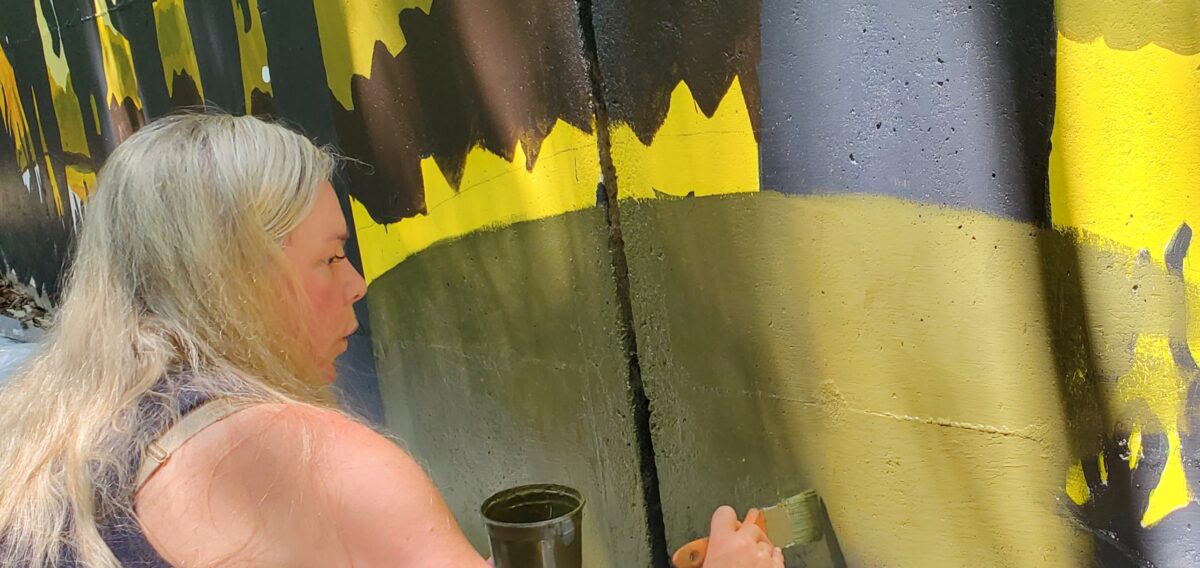
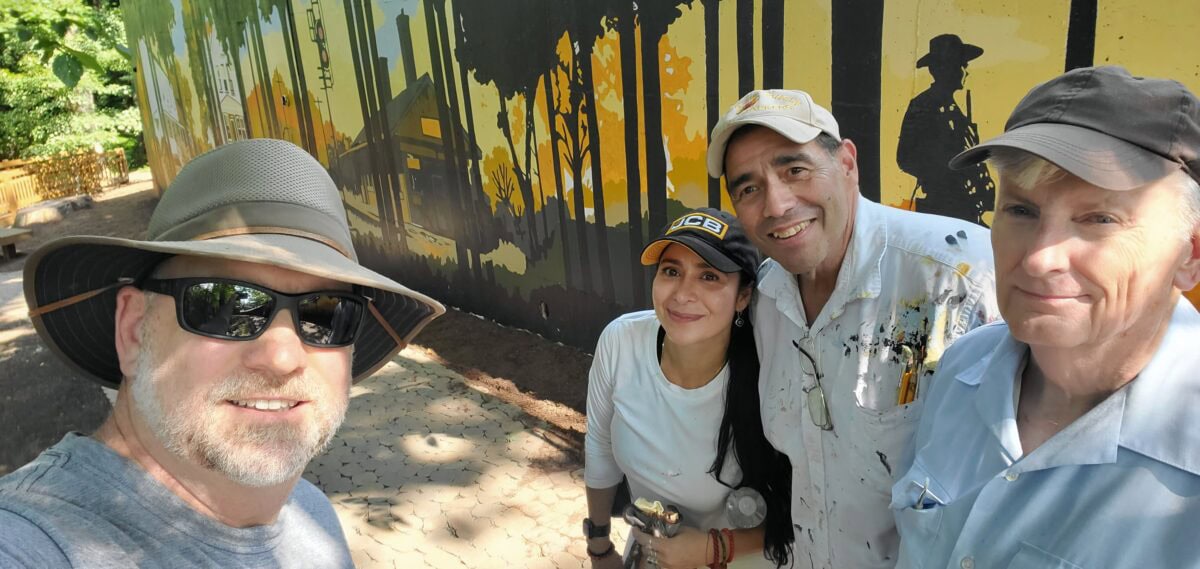
Over 100 of you came out to help bring the story of Vienna’s Red Oak to life—through sun, heat, and paint-splattered clothes, your energy and creativity made this mural possible. Whether you picked up a brush, hauled supplies, traced outlines, or cheered us on, you are part of this community legacy.
This mural is more than art—it’s a celebration of our shared history, and we couldn’t have done it without you.
With deepest gratitude,
The Mural Team
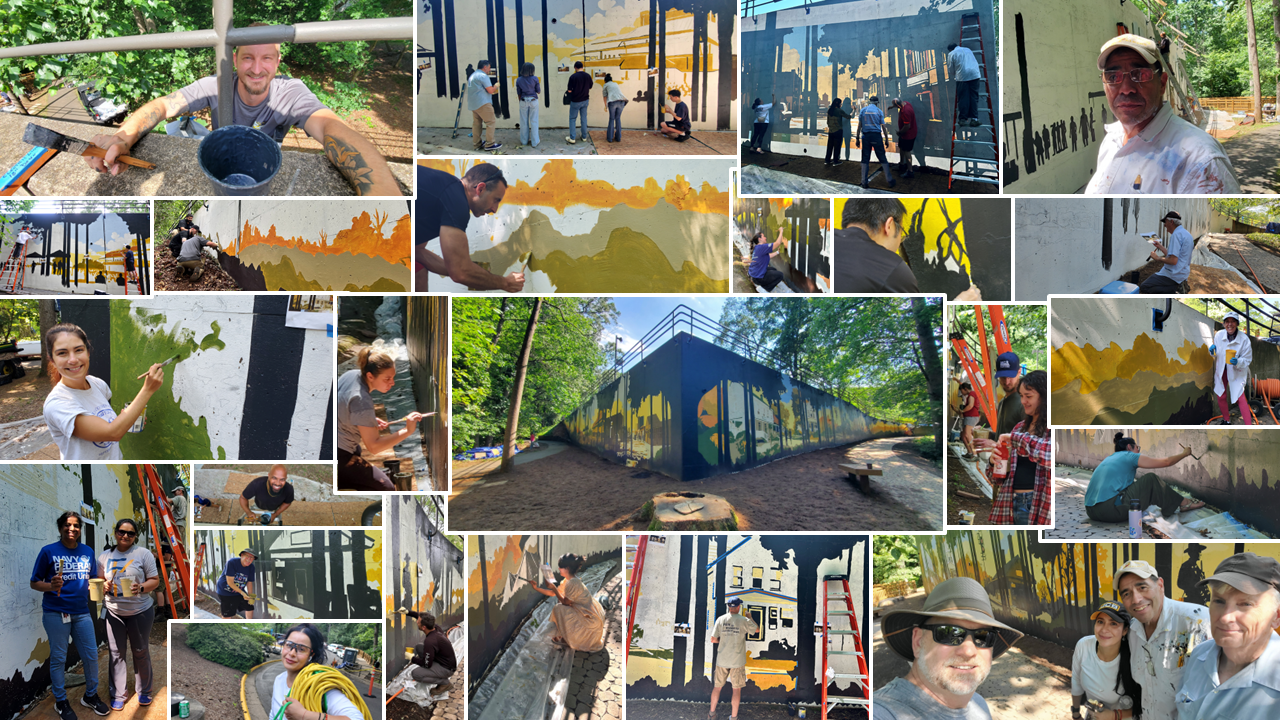
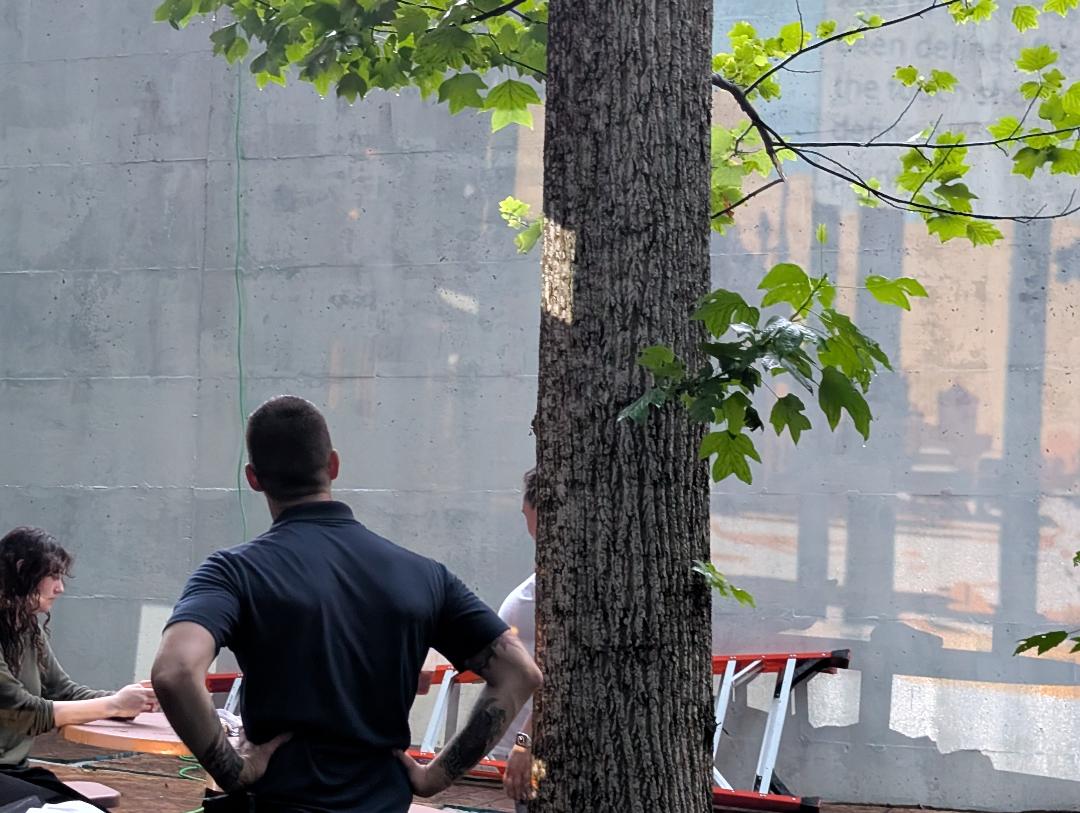
the process














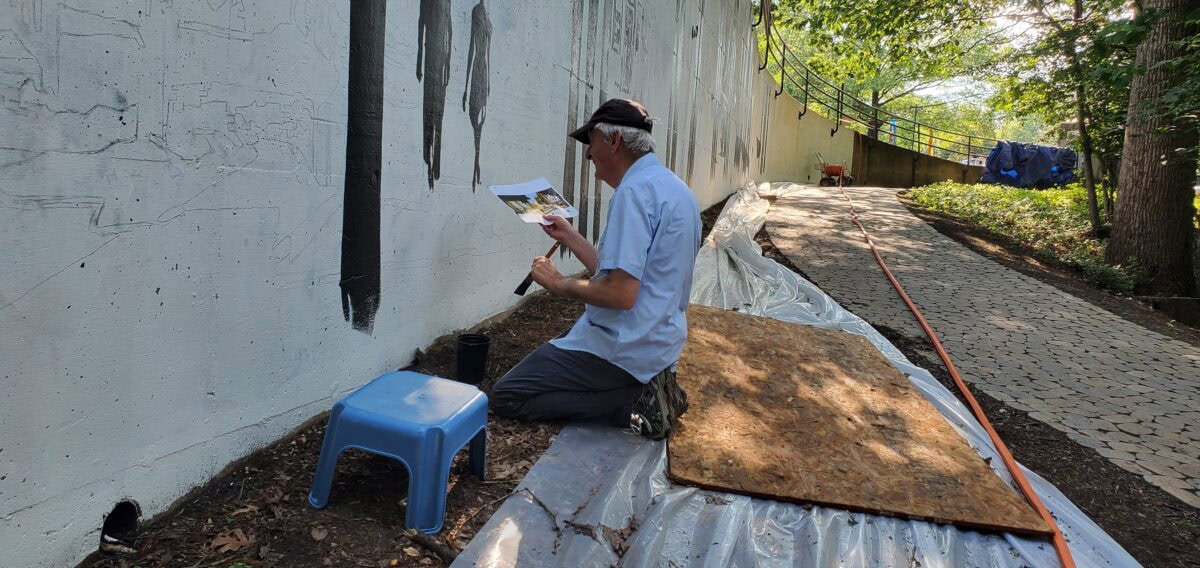
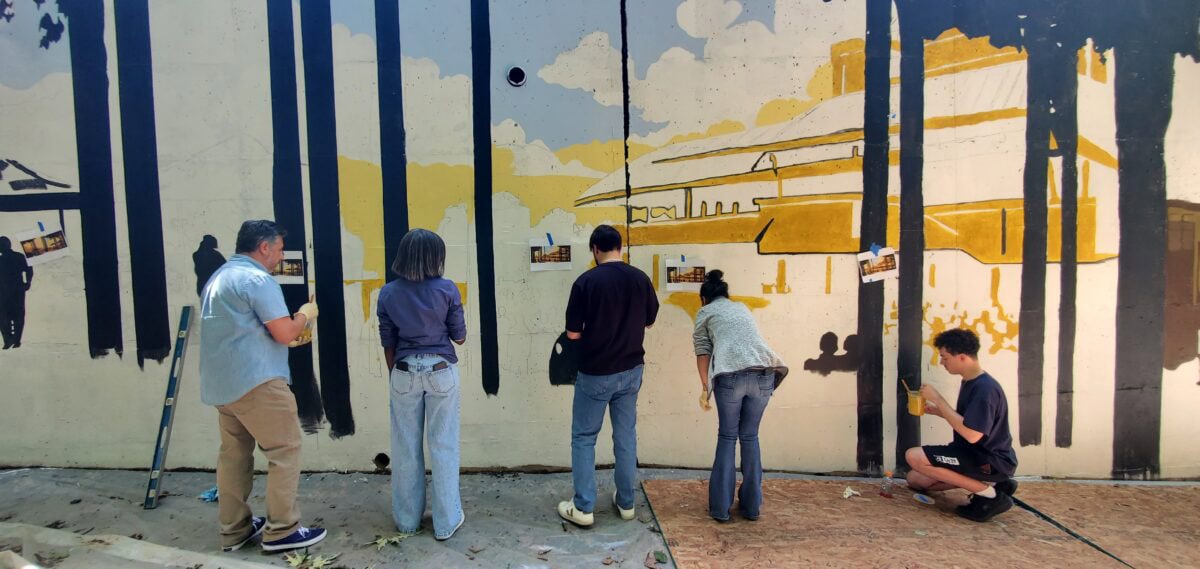
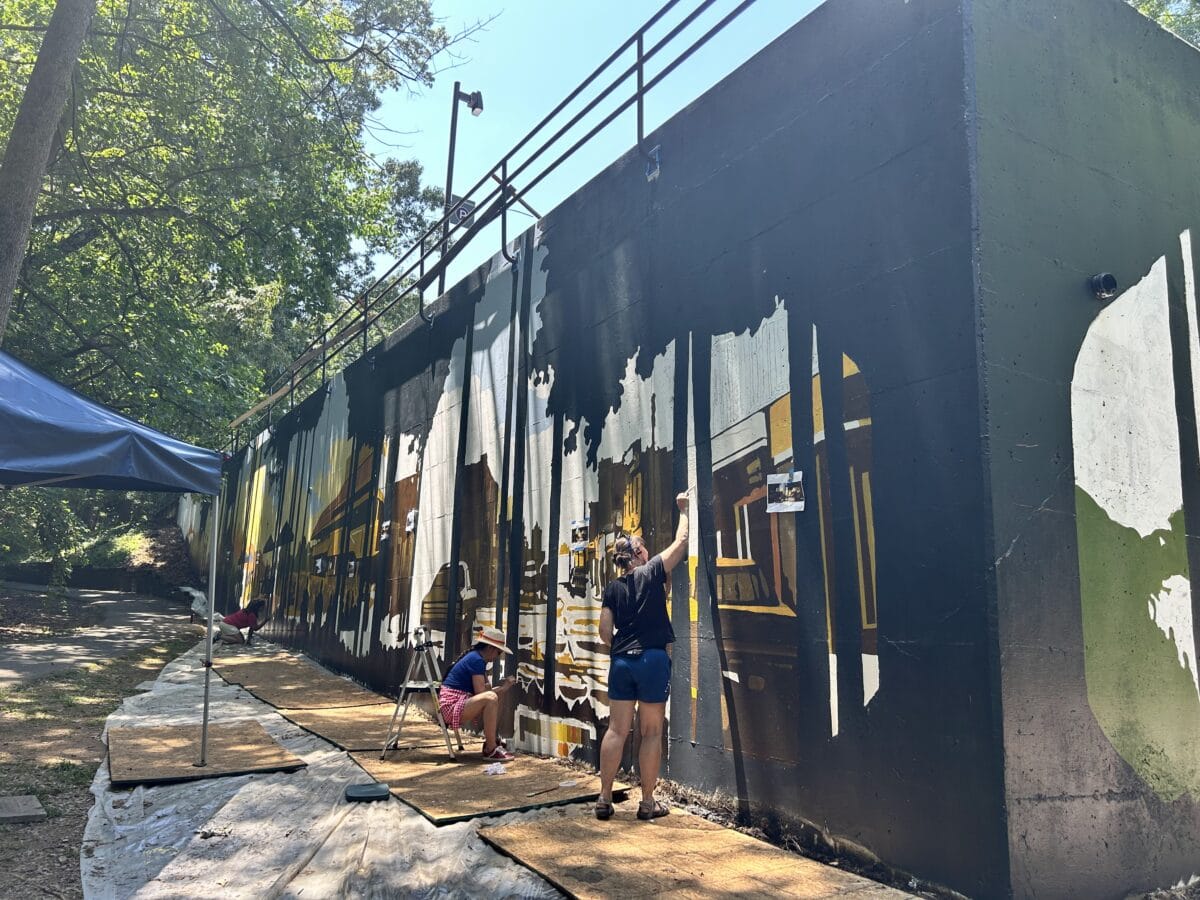
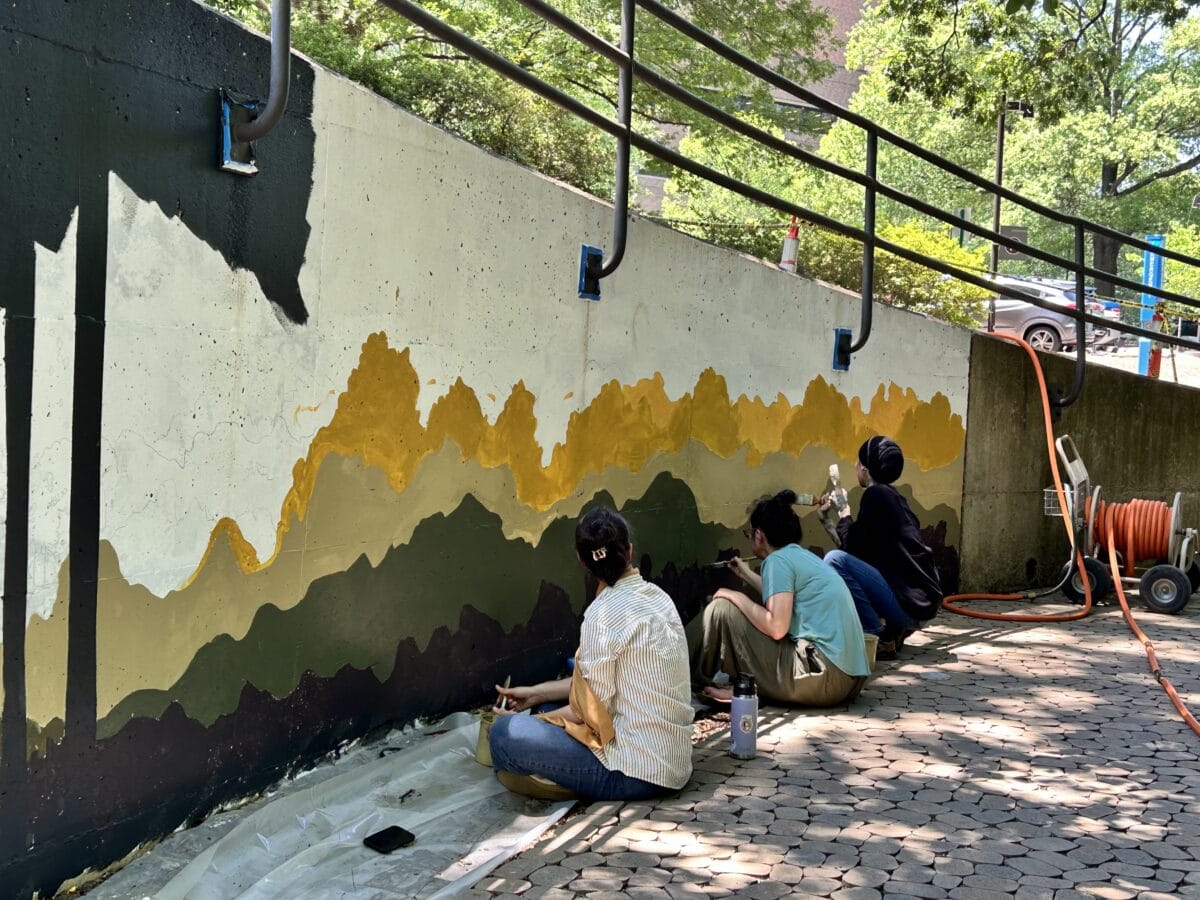

ABout the project
Artists
Key People
Project overview
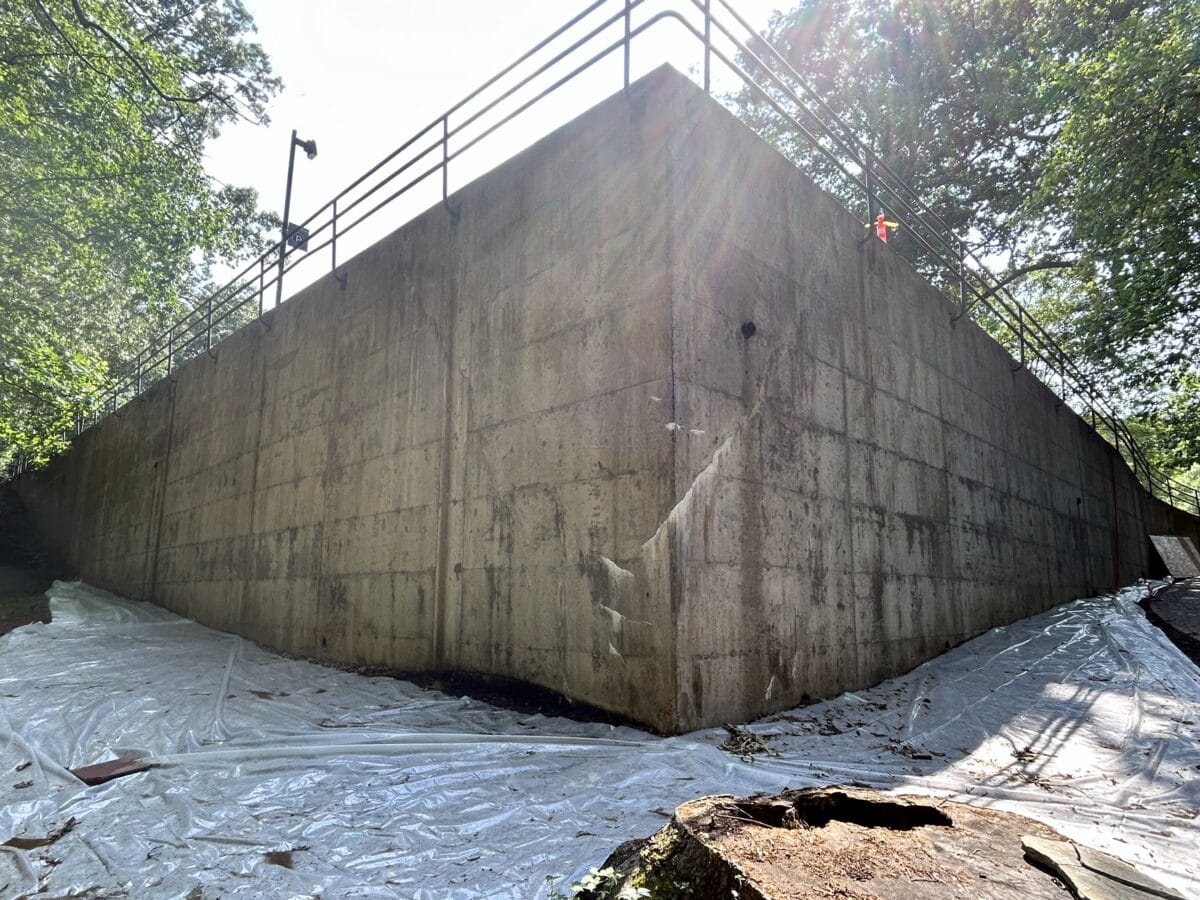
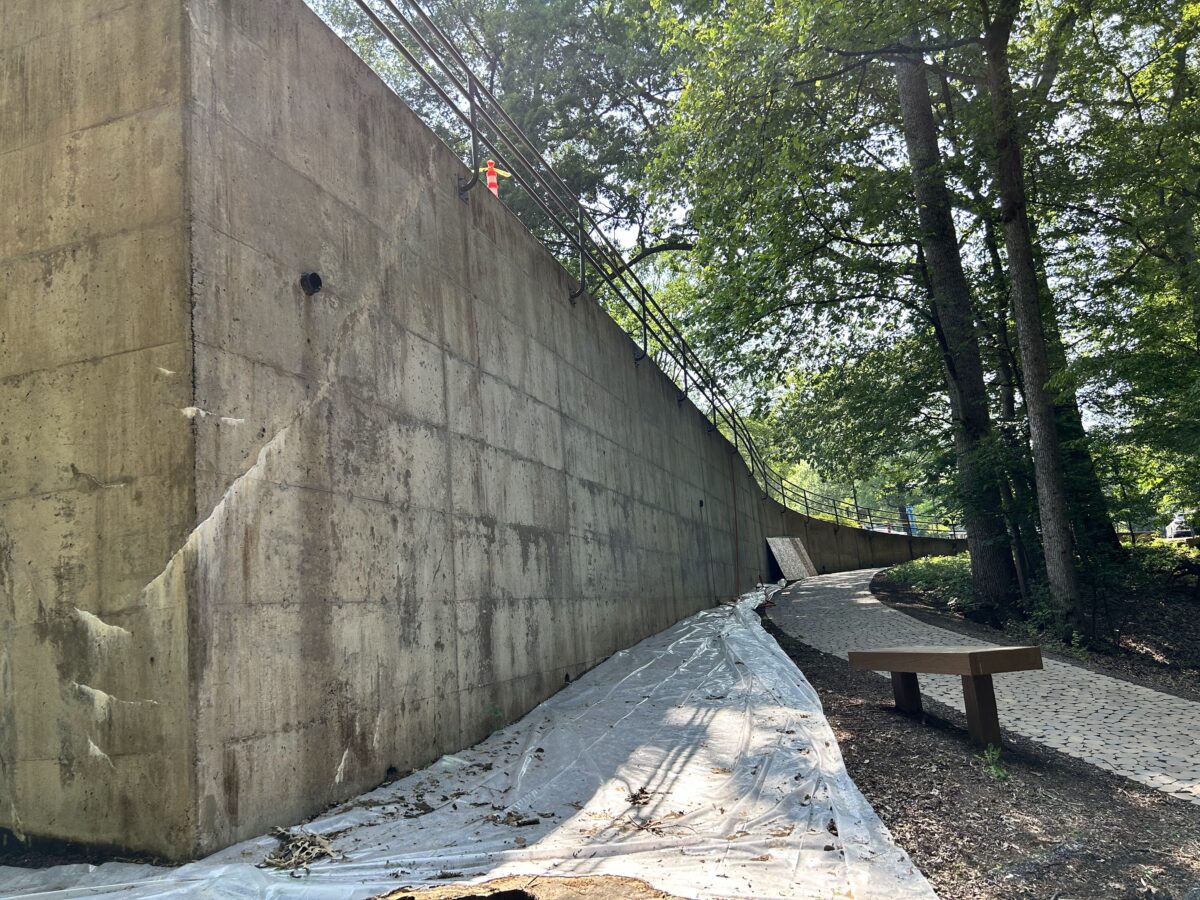
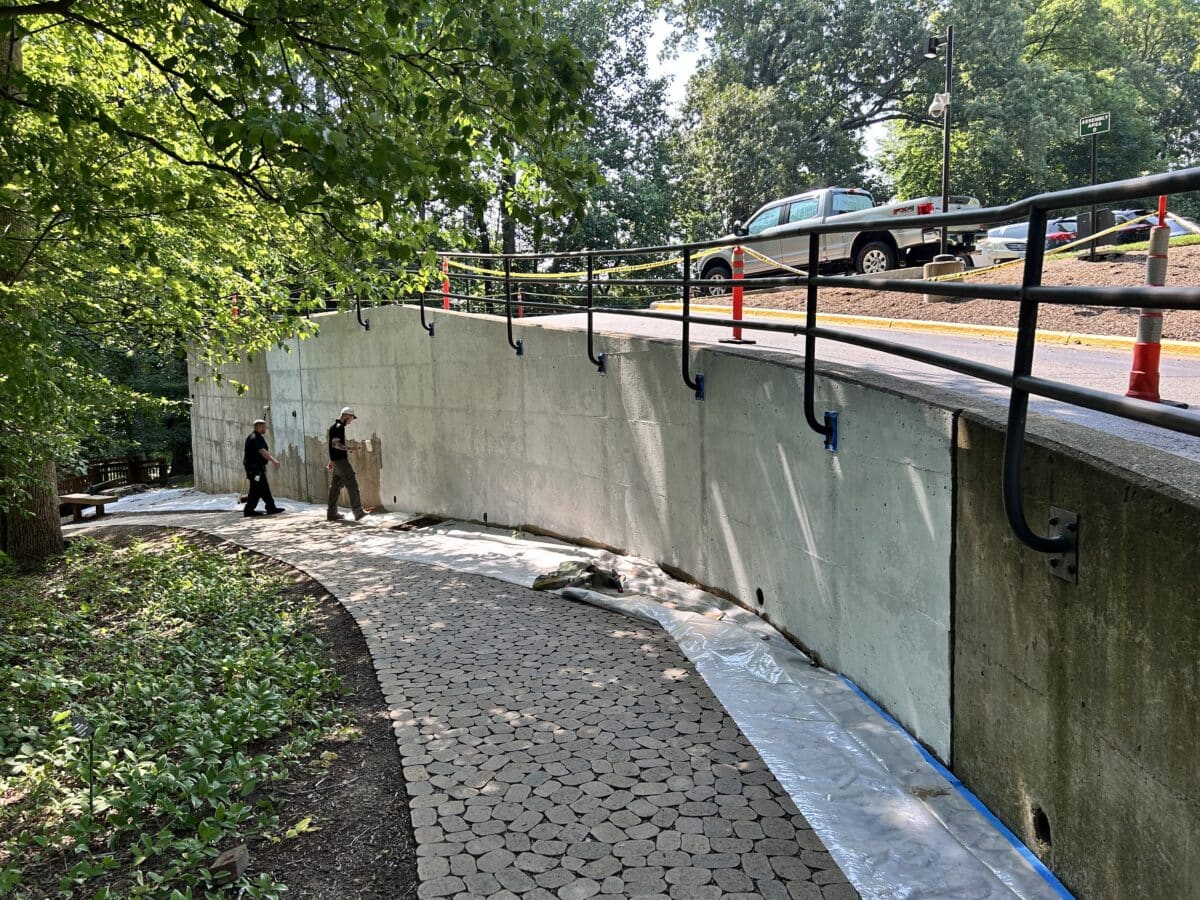
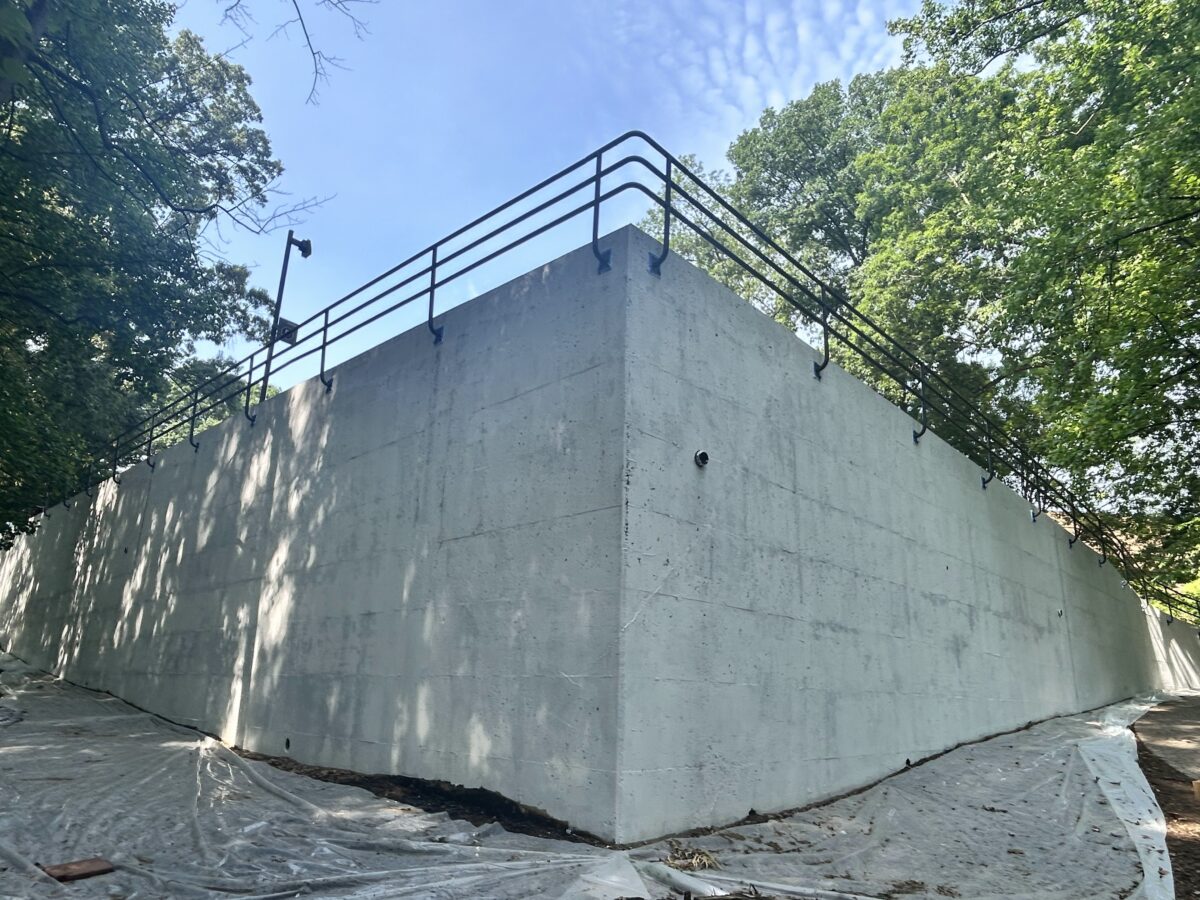
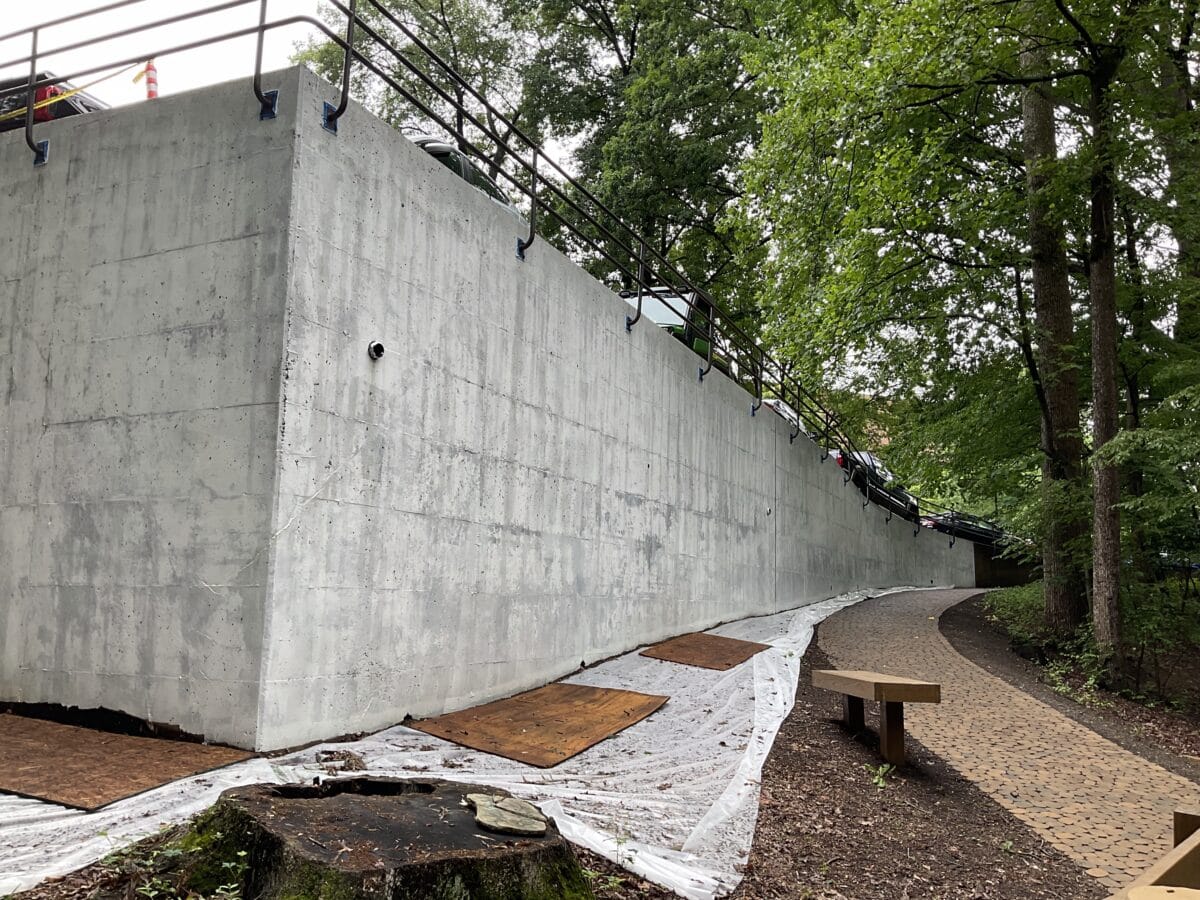
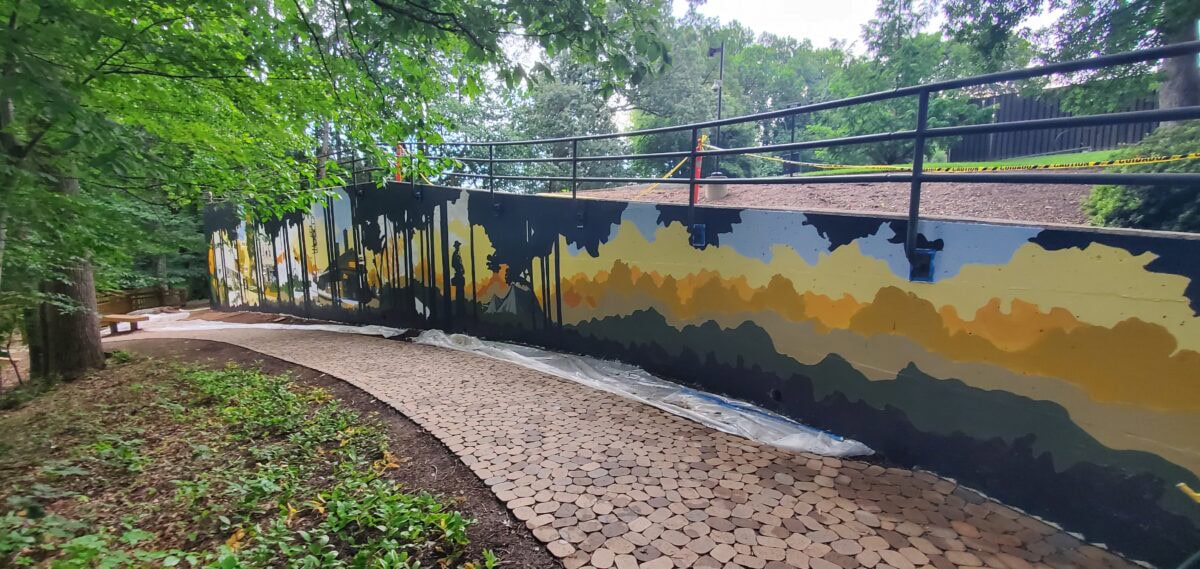
3,000 sq. ft. painted mural on the side of the parking structure adjacent to Mary's Mile Trail.
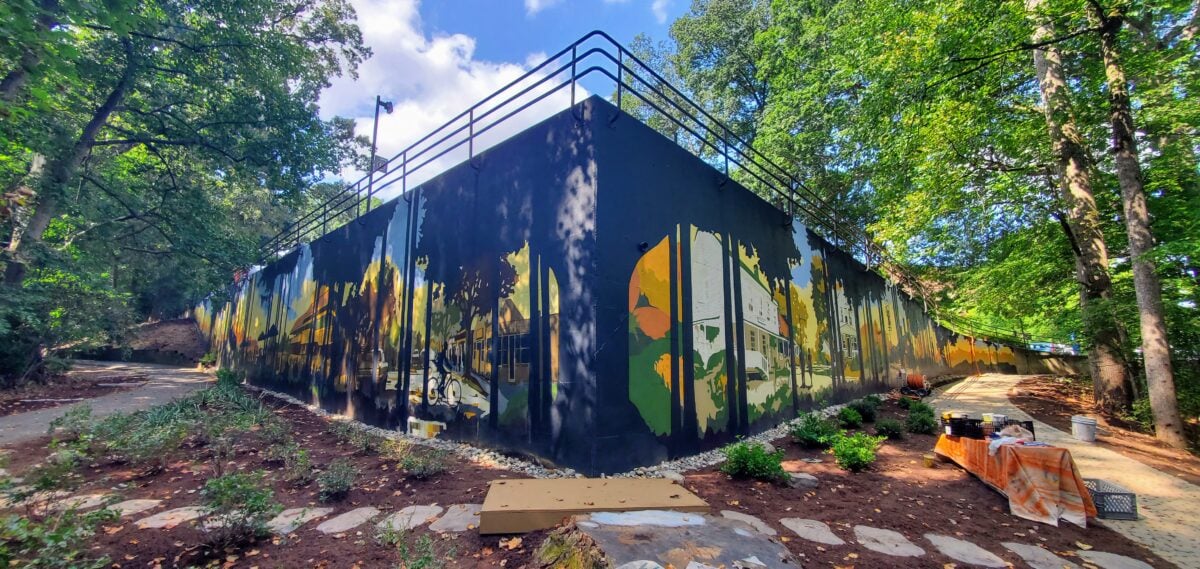
The Oak Mural is a community-driven public art project that celebrates 200 years of local history, nature, and culture through the eyes of a single red oak tree. Located along Mary’s Mile Trail behind 820 Follin Lane SE, the mural stretches across 3,000 sq. ft. of cement wall and illustrates the transformation of Vienna, Virginia—from its natural landscapes to its evolving community.
Organized in partnership by Navy Federal Credit Union and the American Legion, and brought to life with the help of over 100 volunteers, the mural serves as a visual tribute to the enduring presence of the red oak and the story of the town it has silently witnessed.